
Papers, Please gives you a stamp and a rulebook and asks how long you'll follow the rules when the rules are wrong. Stanley Milgram and Albert Bandura spent decades studying the answer.
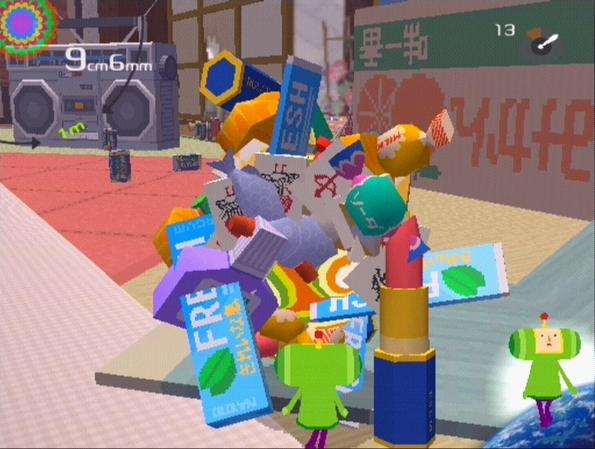
Katamari Damacy is about rolling a ball into everything until the ball is the size of a planet. Mihaly Csikszentmihalyi's flow research explains why it is also one of the most psychologically optimal experiences in gaming.
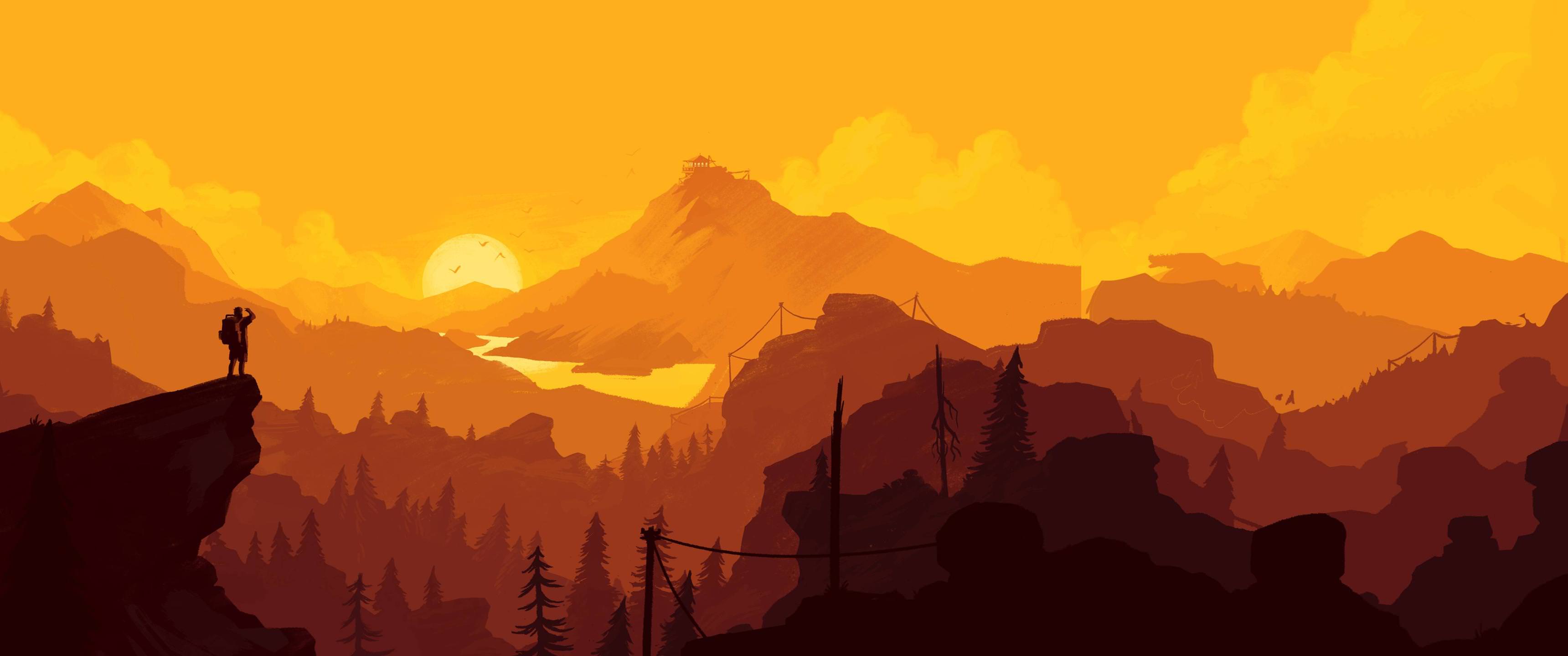
Firewatch is about a man who runs away to the wilderness to escape his life. Jonathan Rottenberg's research on emotional avoidance explains why the wilderness was never going to be enough.
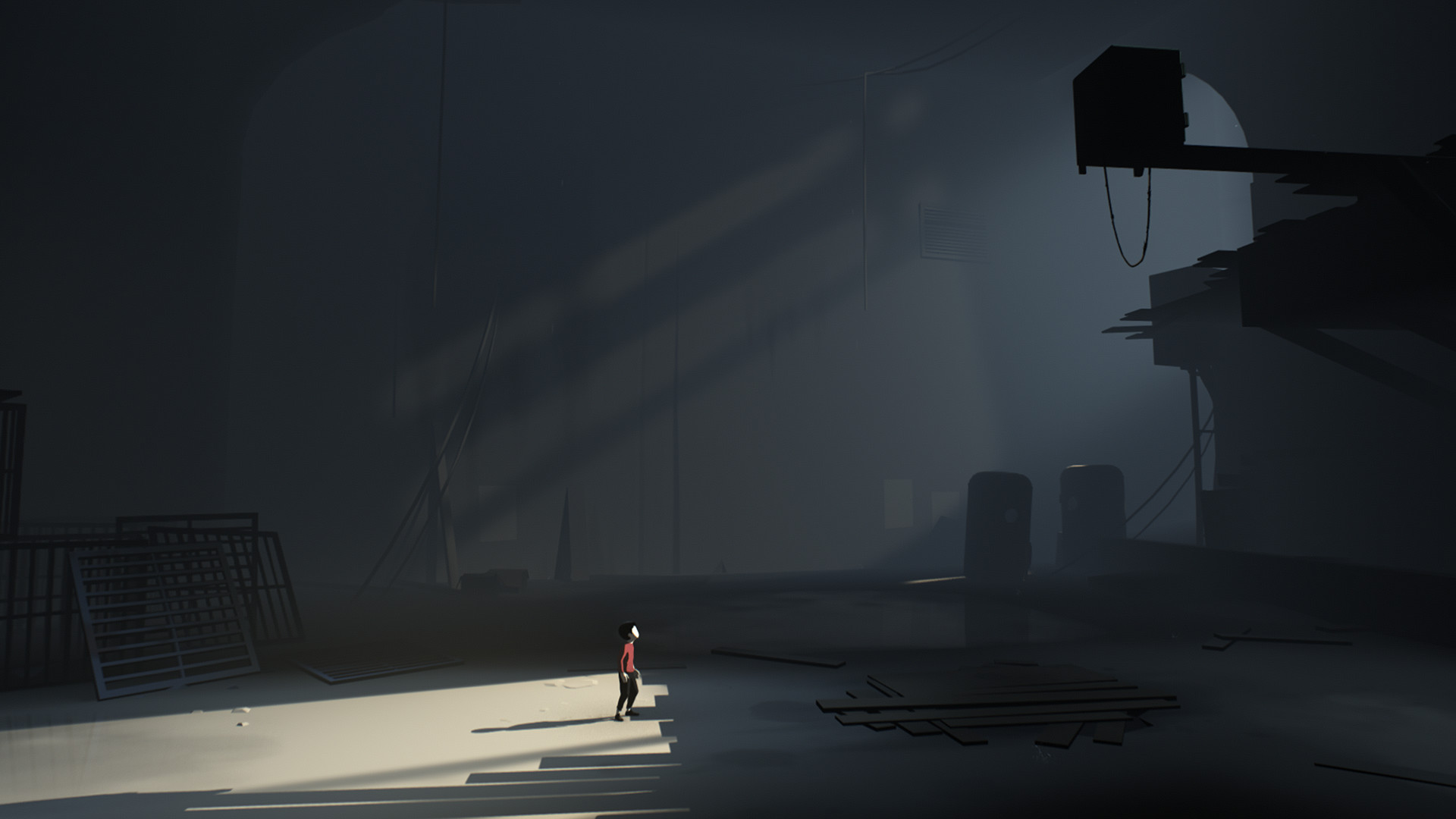
Inside ends without explanation. Arie Kruglanski's need-for-closure research explains why some people are fine with that, some people are furious, and what the difference says about how we handle ambiguity everywhere else in our lives.
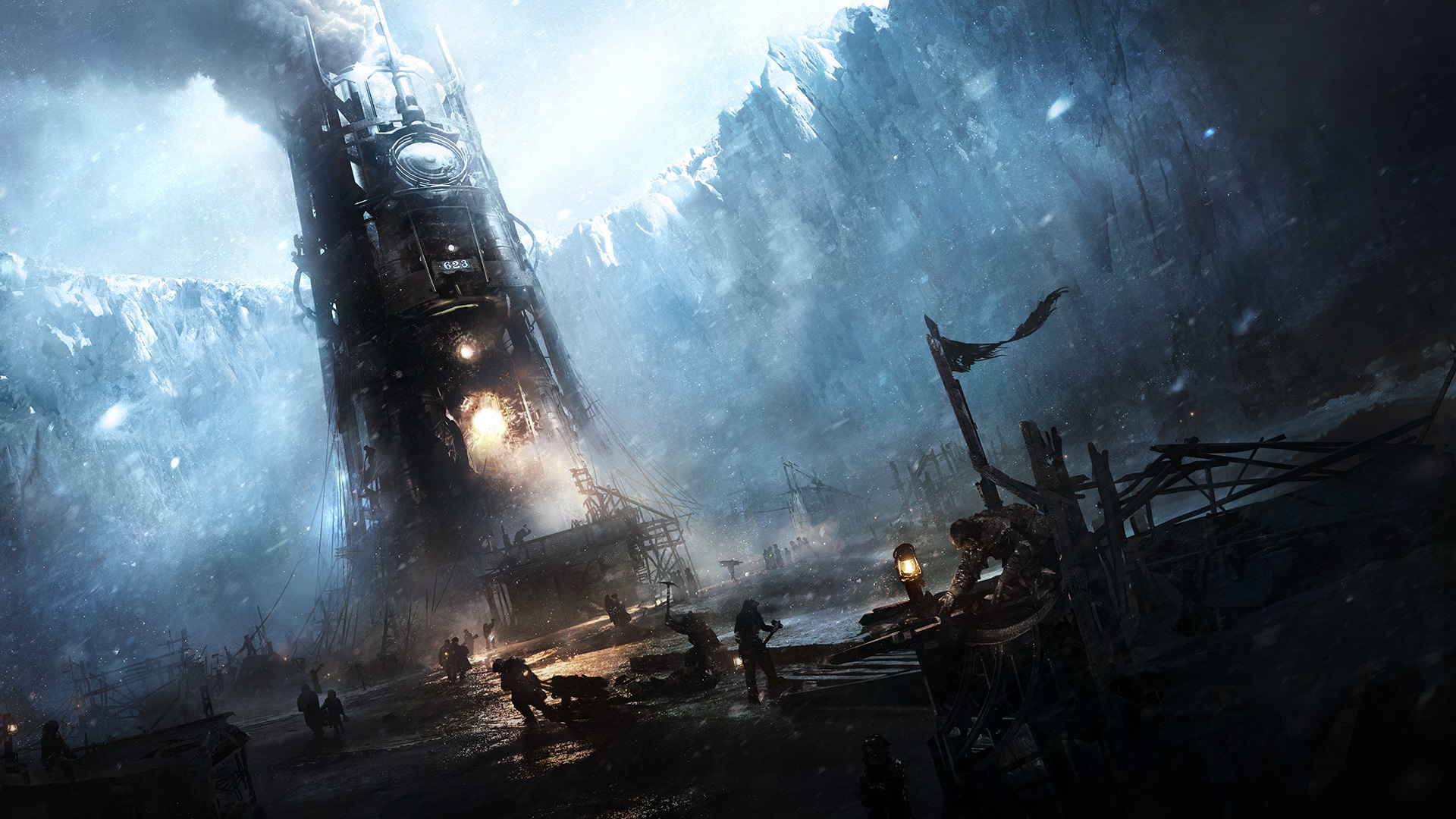
Frostpunk starts you off passing laws to keep people warm. It ends with you deciding things you told yourself you'd never decide. Anna Merritt's moral licensing research explains the journey.
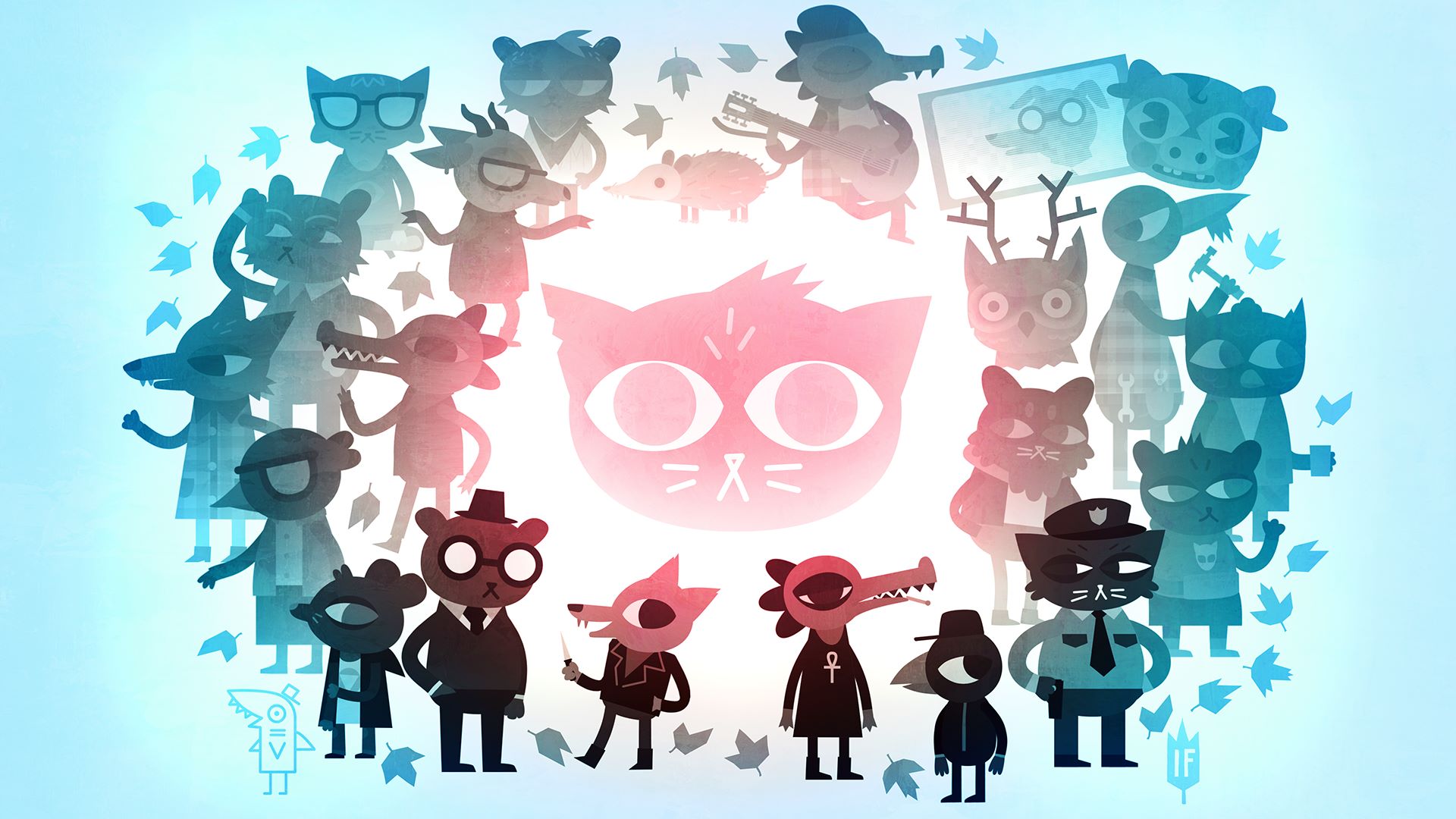
Night in the Woods is about coming home and finding that nothing fits. Jeffrey Arnett's research on emerging adulthood explains why your twenties feel like someone deleted the instruction manual.
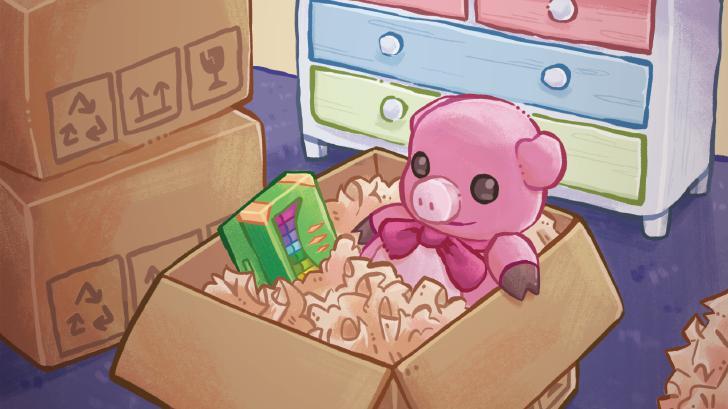
Unpacking is a puzzle game about placing objects into rooms. Russell Belk's extended self theory explains why it made so many people unexpectedly emotional about a stuffed pig.
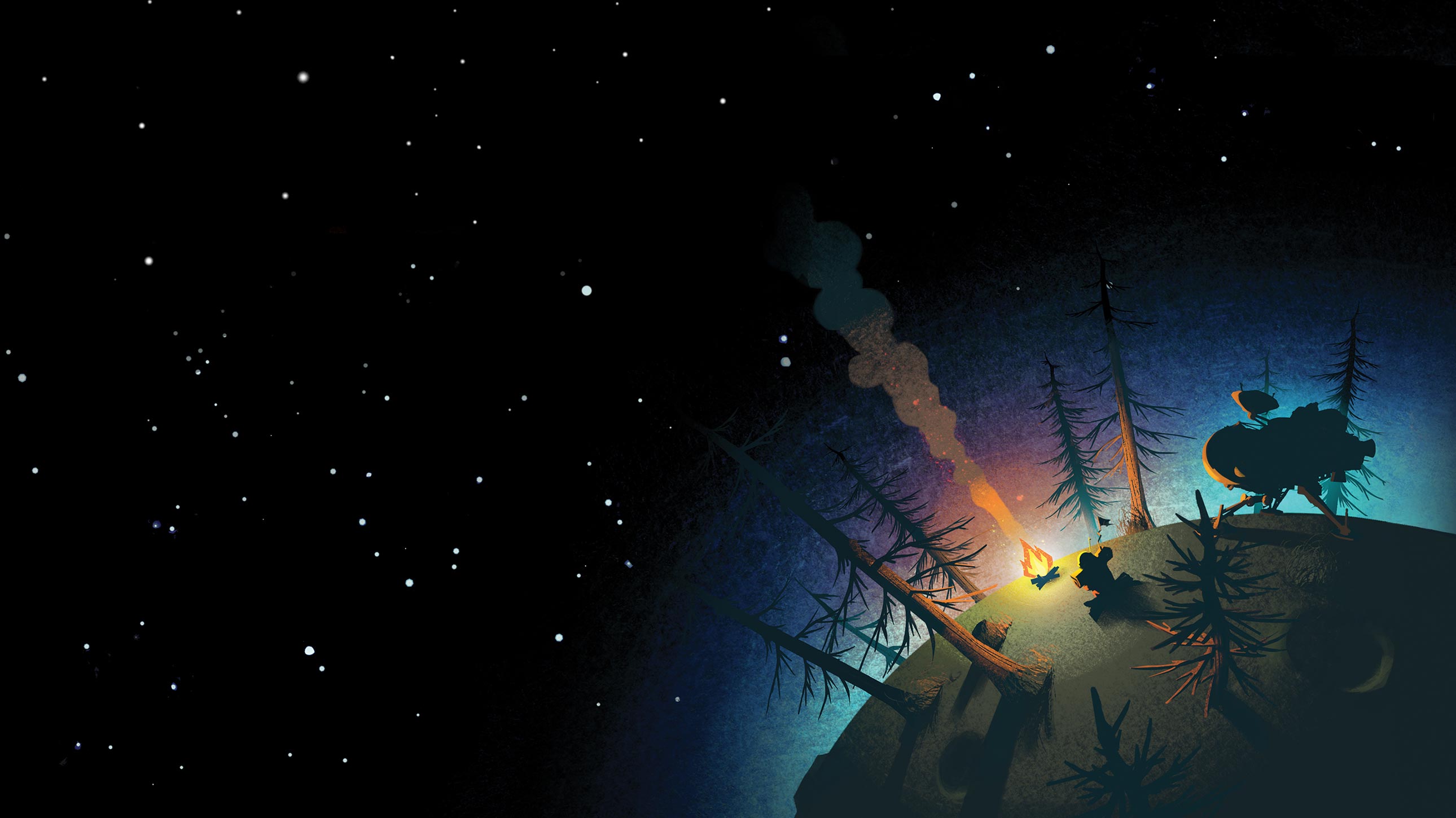
Outer Wilds is a mystery game in which the mystery is the universe itself. George Loewenstein's 1994 information-gap theory of curiosity explains why the game is almost physically impossible to stop thinking about.
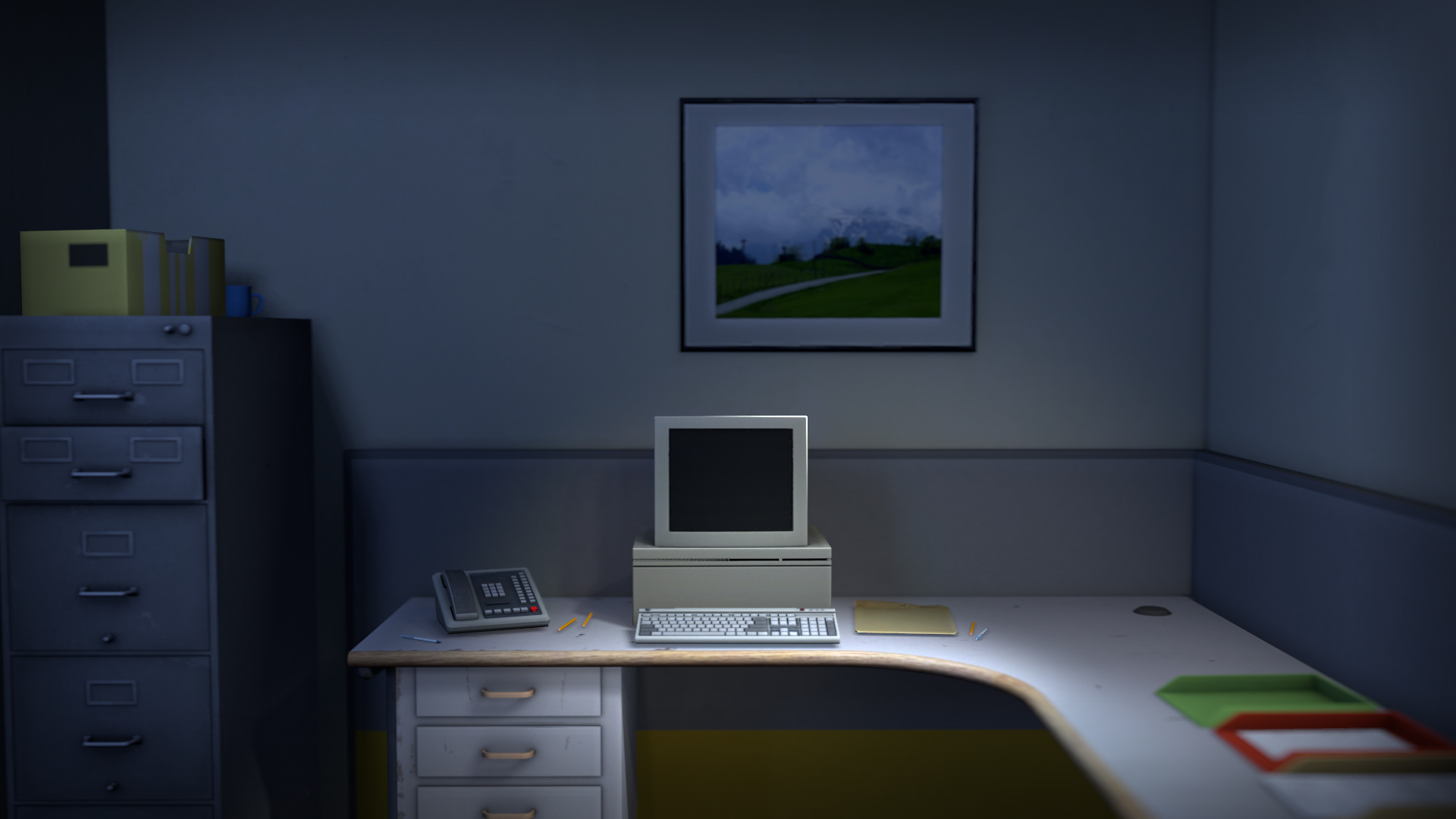
The Stanley Parable puts a narrator in your ear and asks you to follow him. Jack Brehm's 1966 theory of psychological reactance explains why the first thing most players do is try to break the game.
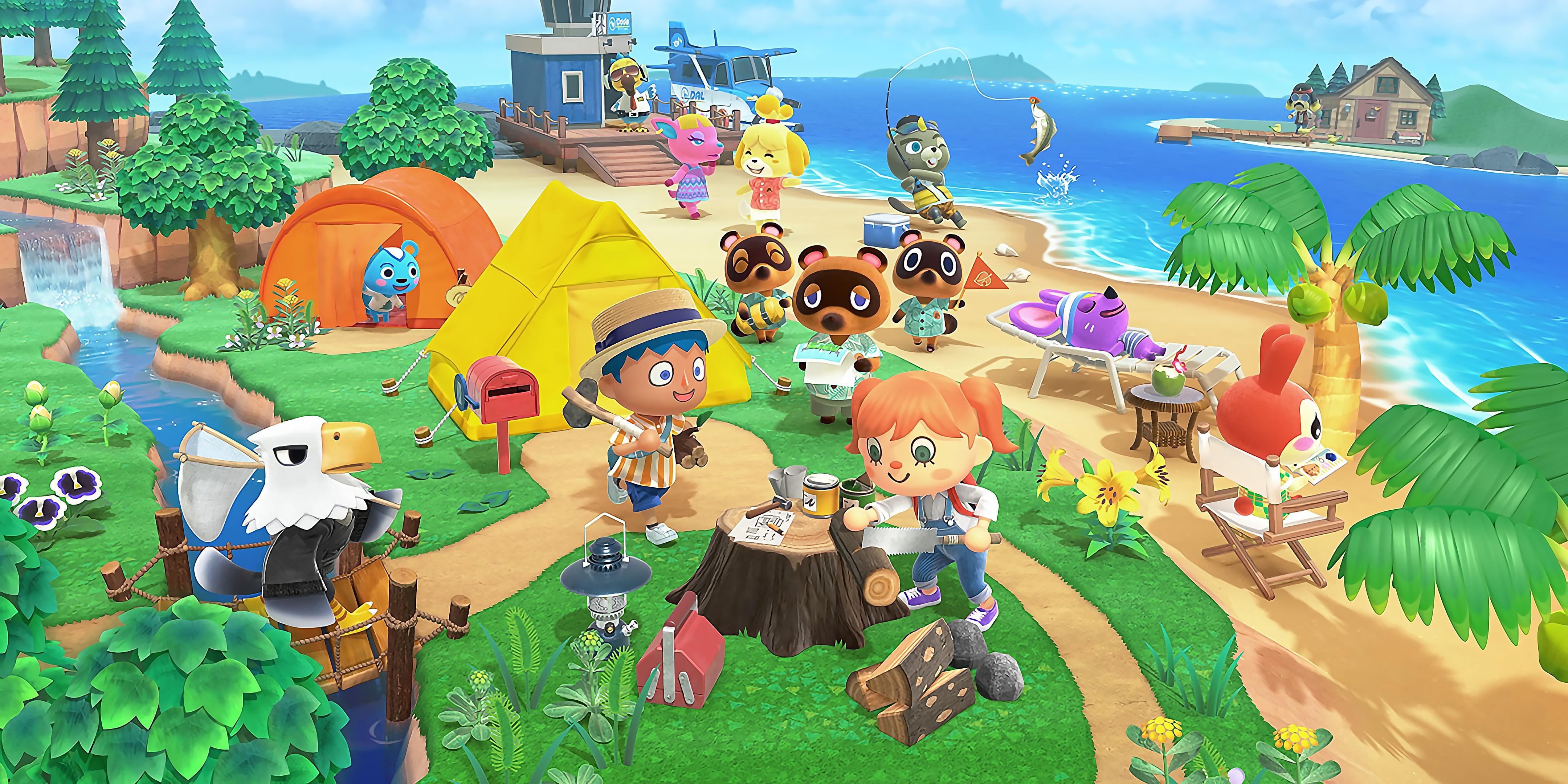
Animal Crossing: New Horizons is a game about building your perfect island life. Sonja Lyubomirsky's research on hedonic adaptation explains why you got the museum, the dream house, and all the furniture — and then stopped logging in.
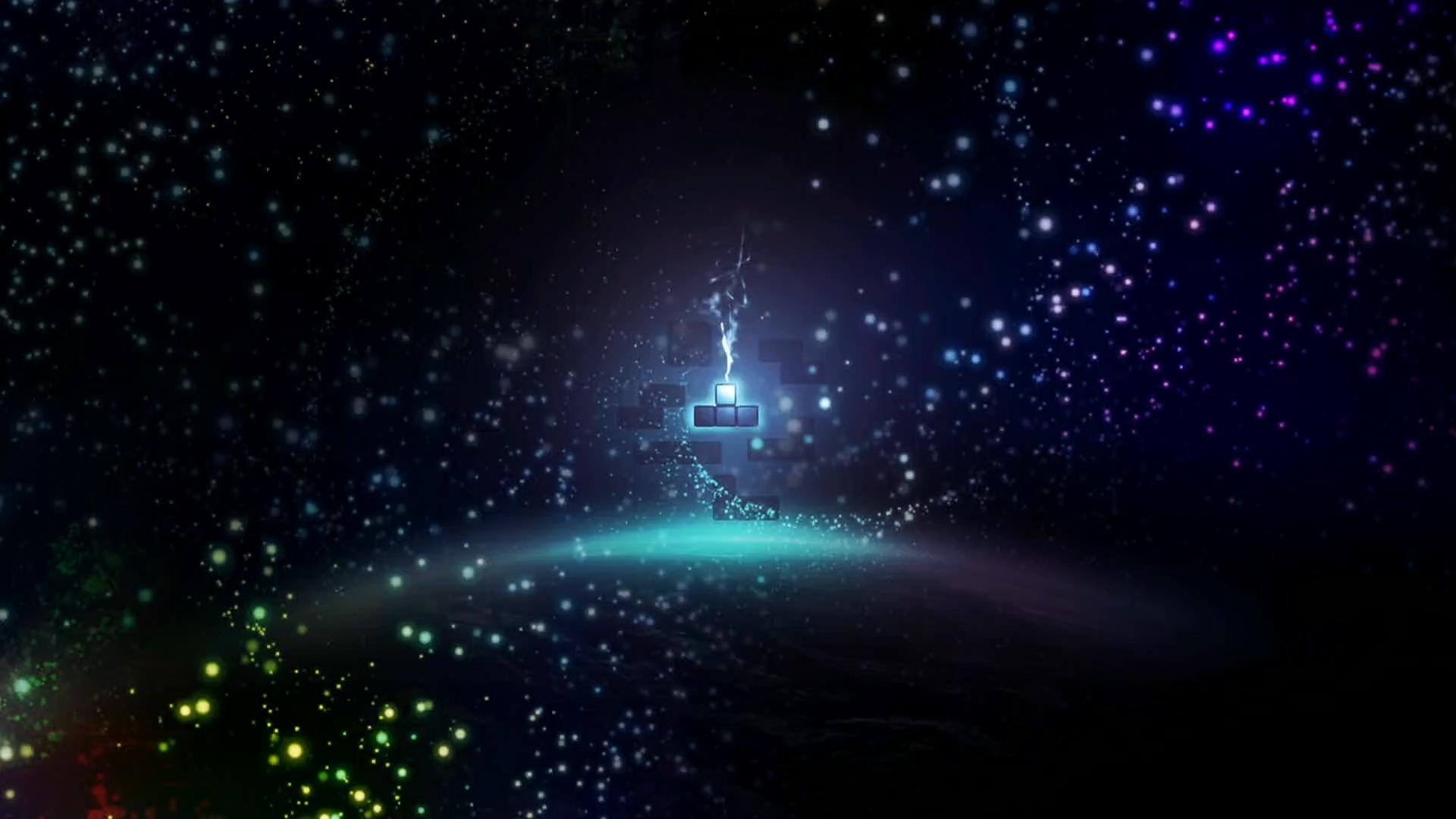
Tetris is the most played game in human history, and a near-perfect demonstration of the Zeigarnik effect — your brain's compulsive need to finish what it started. Bluma Zeigarnik figured this out in a café in 1927. Alexey Pajitnov built it into a game in 1984.
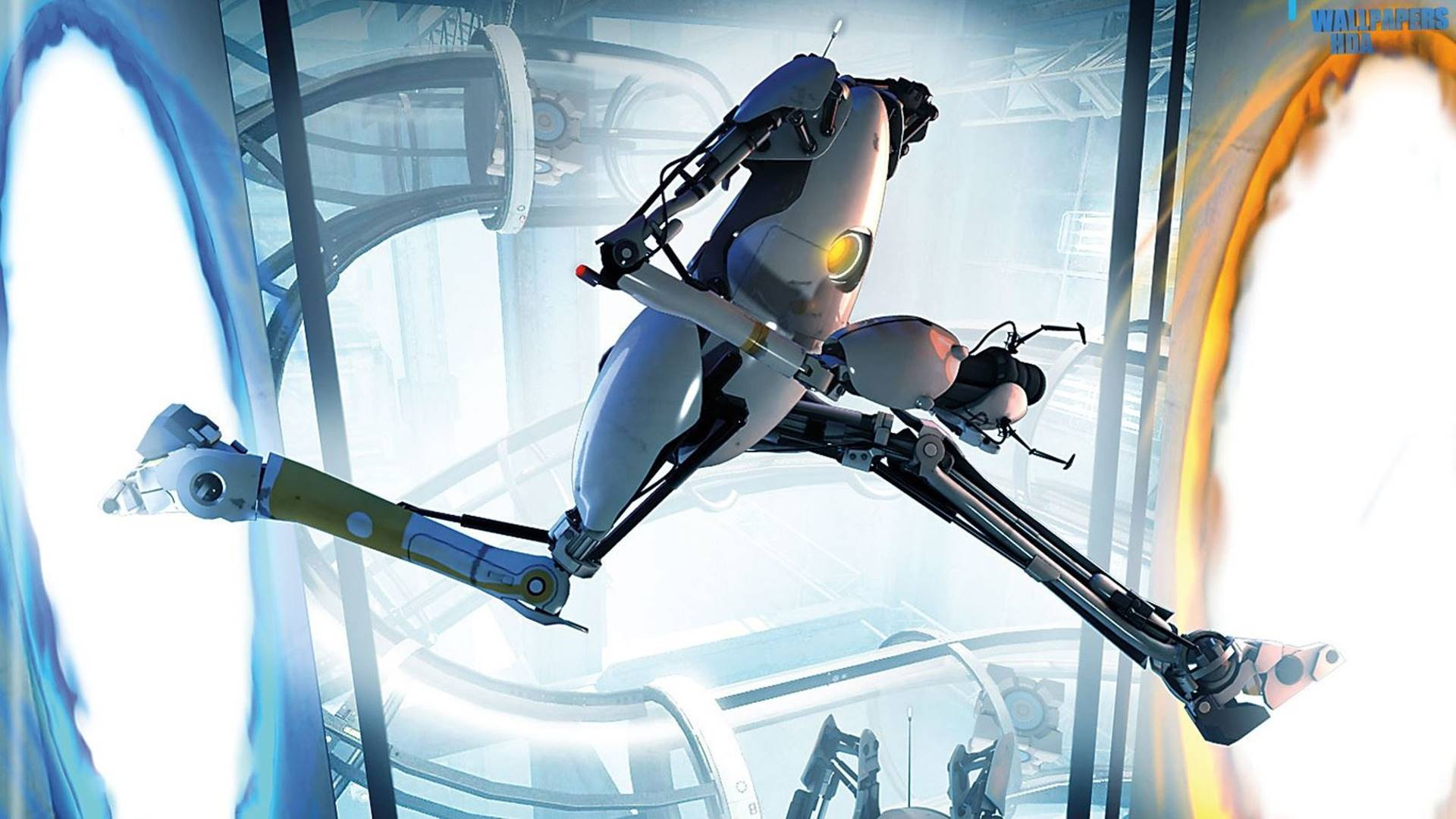
Portal 2 is a cooperative puzzle game that quietly demands you build a working model of another person's mind. Rebecca Saxe's neuroscience research explains why this is one of the hardest things a human brain ever has to do — and why games might be the best place to practise it.
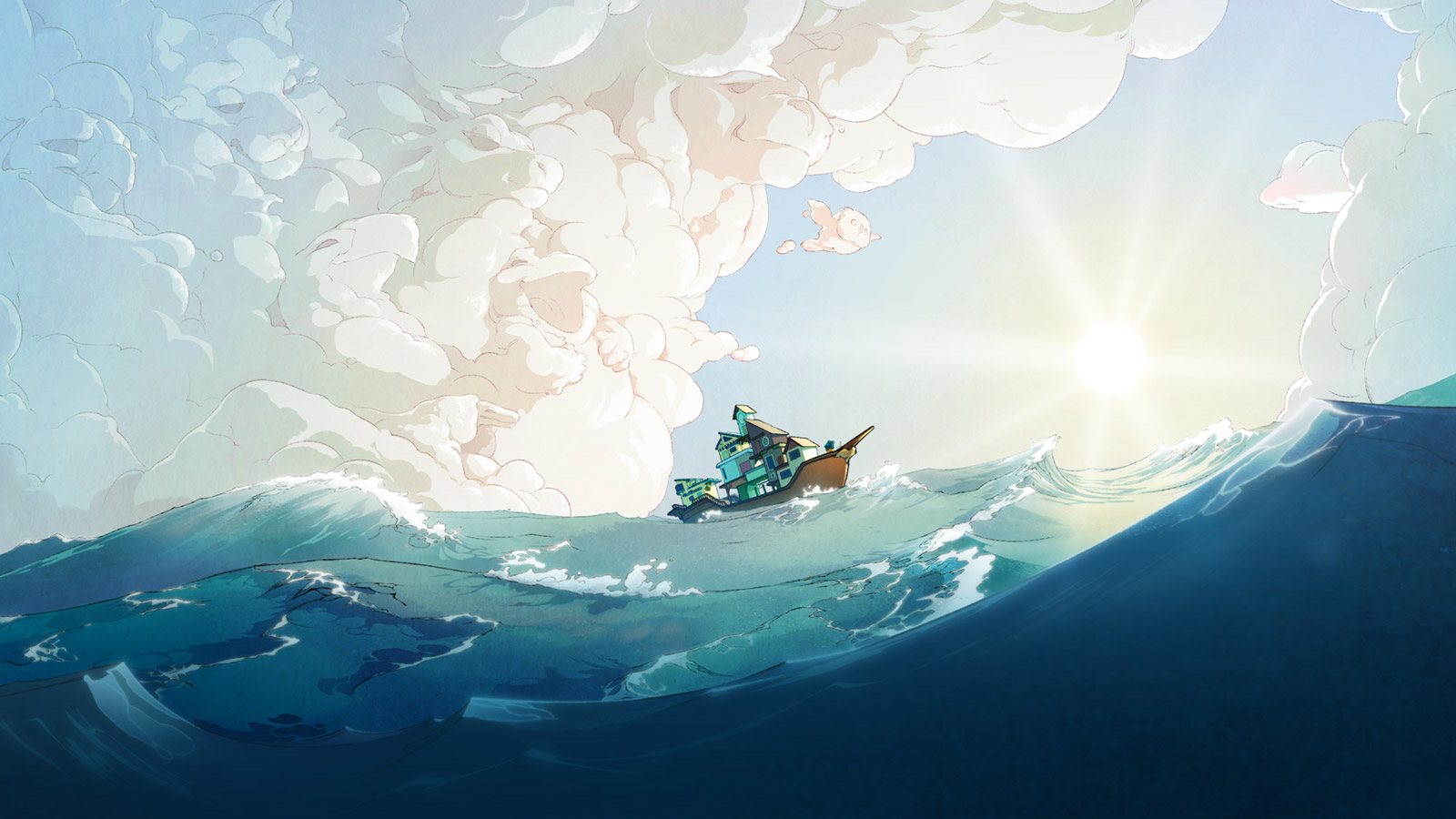
Spiritfarer asks you to care for dying souls and let them go. Research on caregiver burden and the psychology of goodbye explains why this hits so differently from anything else about death.
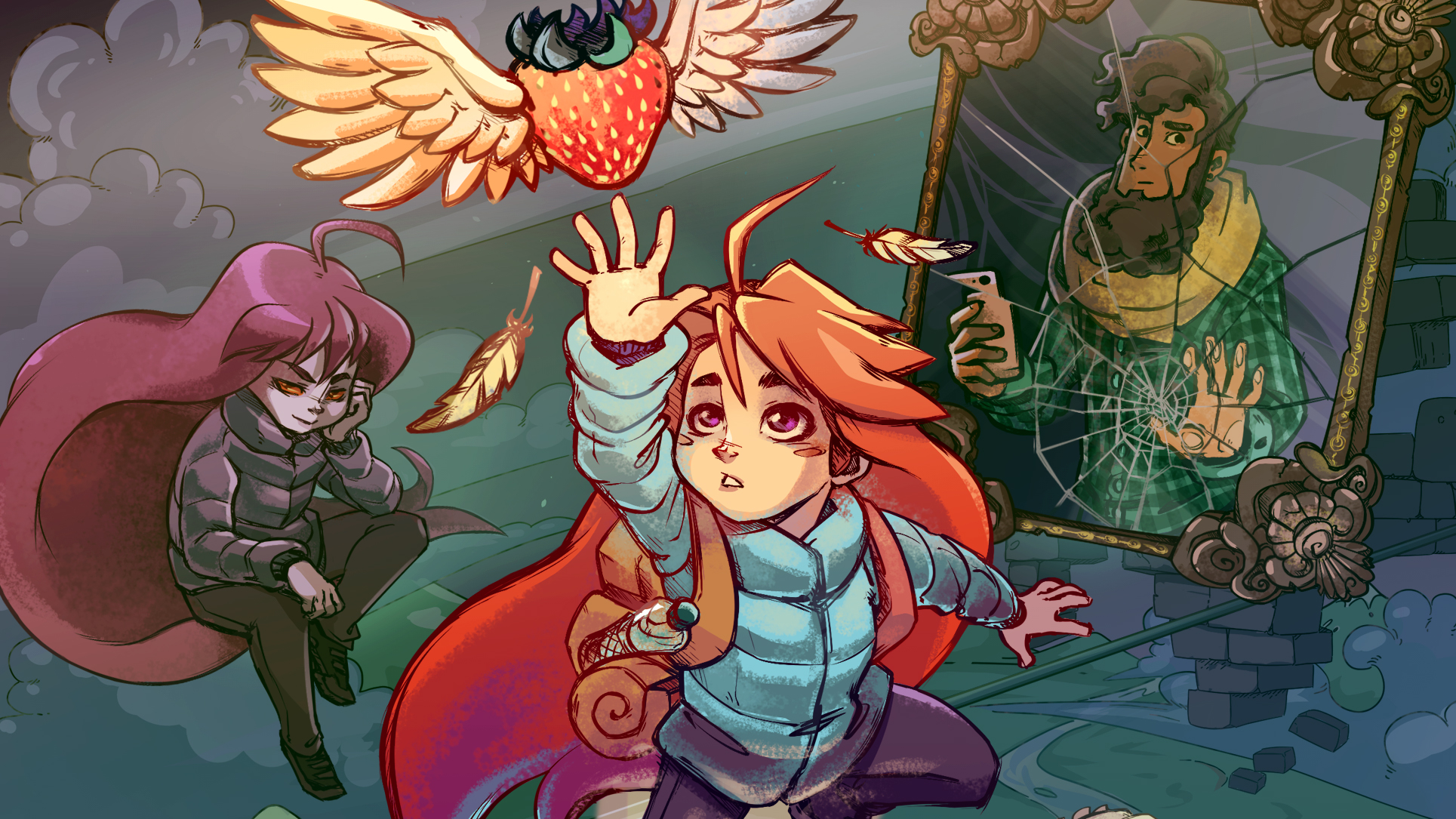
Celeste is a game about climbing a mountain while your anxiety tries to stop you. Kristin Neff's self-compassion research explains why the way you talk to yourself on the way up matters more than the summit.
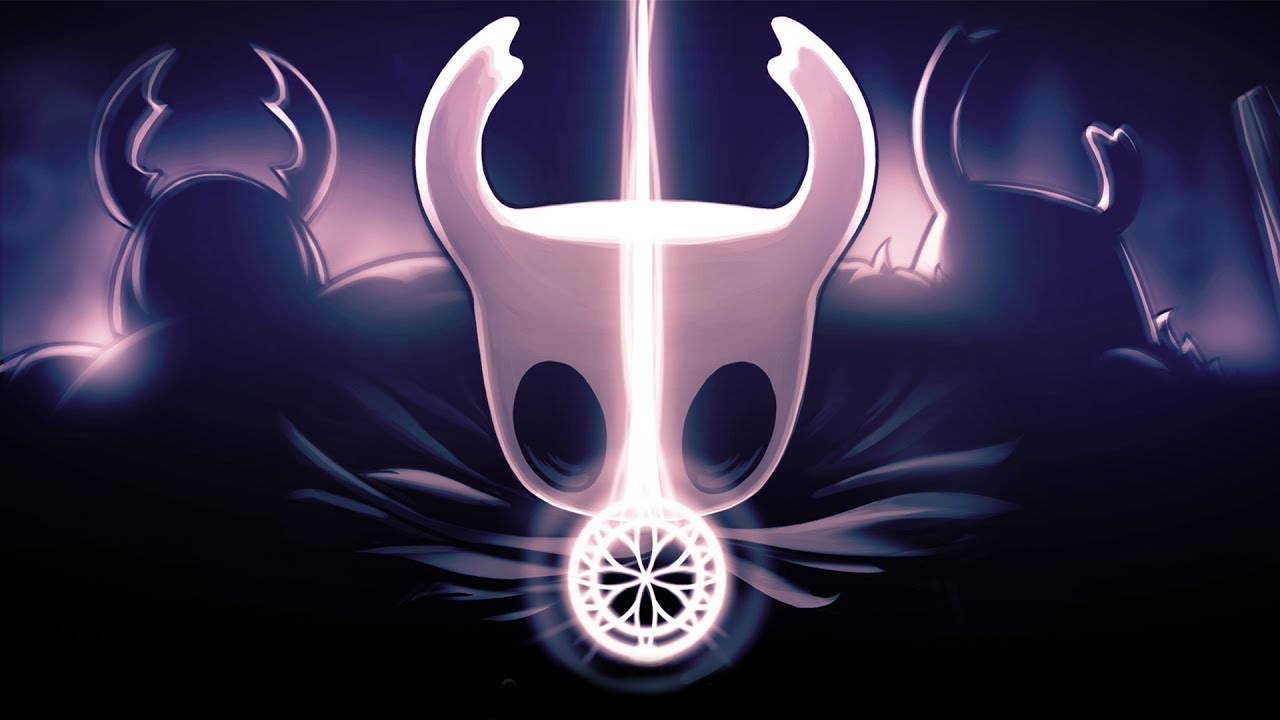
Hollow Knight is a beautiful game about a knight who cannot stop descending. Behavioural economics has a name for what keeps pulling them — and you — further in.
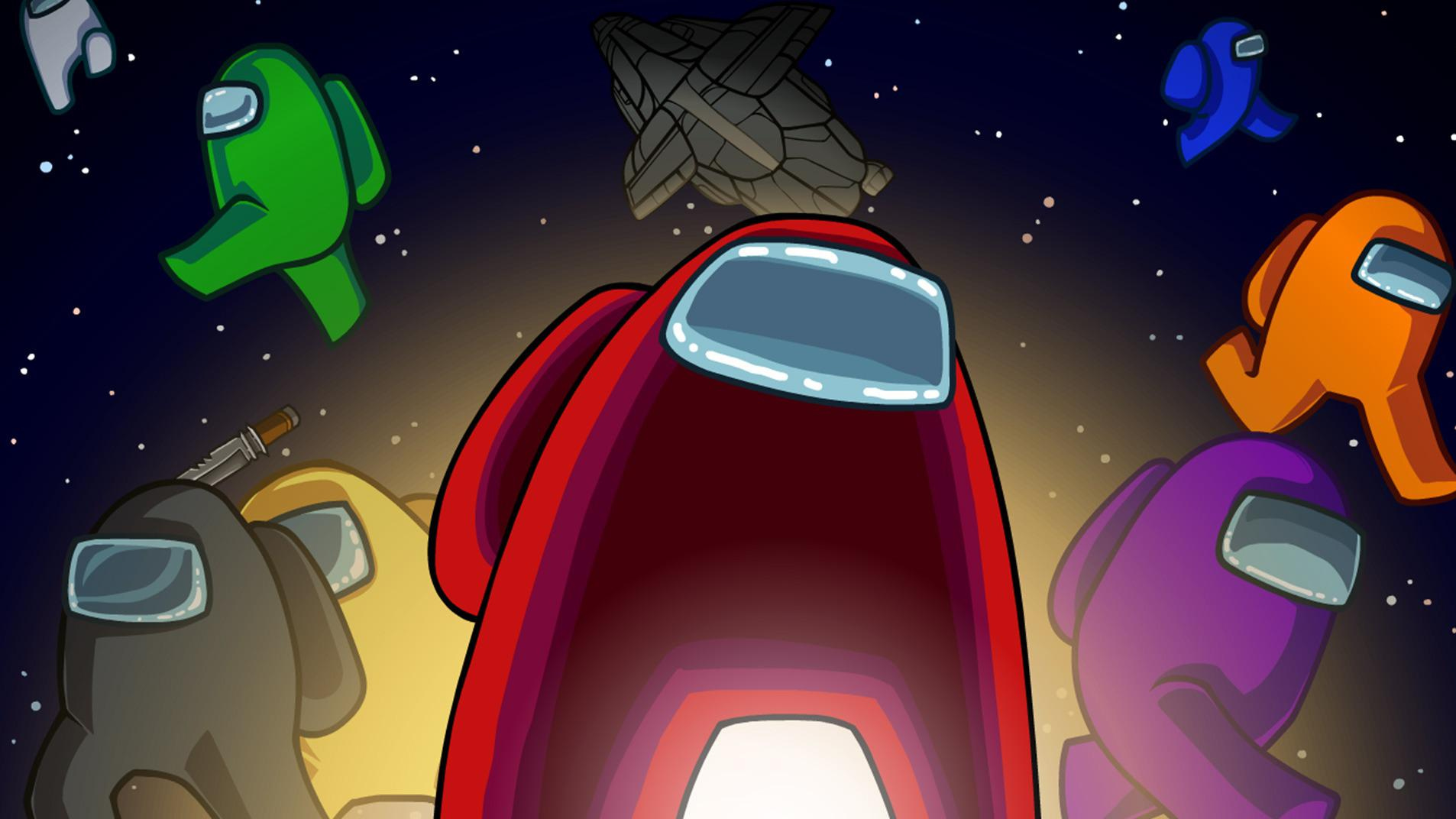
Among Us made billions of people confront how easily they can vote out an innocent person under social pressure. Game theory explains why this happens — and why you'll do it again next round.
Journey pairs you with a random person, removes your ability to speak, and produces genuine connection in two hours. Attachment research explains why this works — and why most of our social media doesn't.
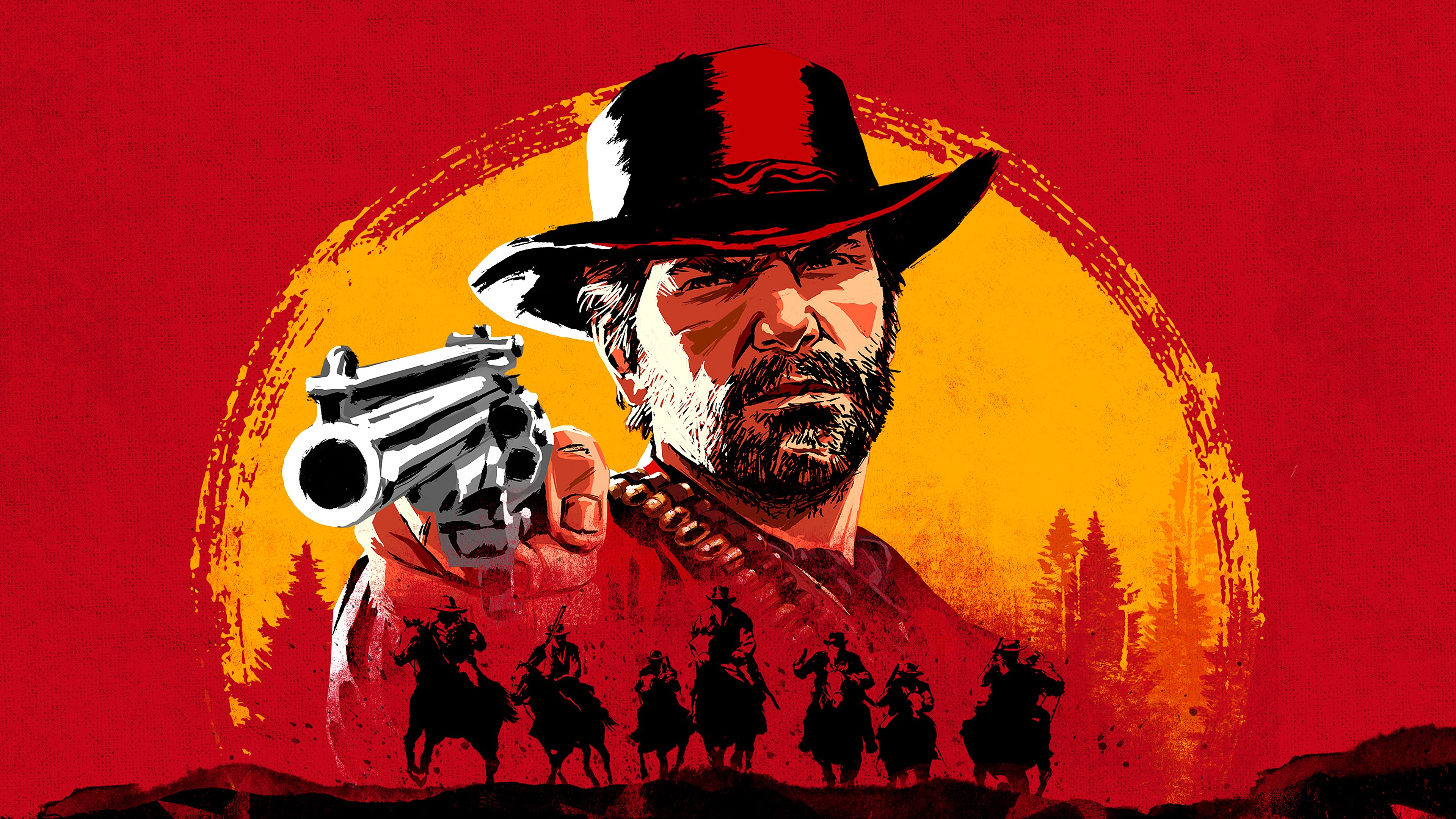
RDR2 makes you wait for everything — the horse animation, the skinning, the long ride through empty country. It's not a design flaw. It's the entire argument.
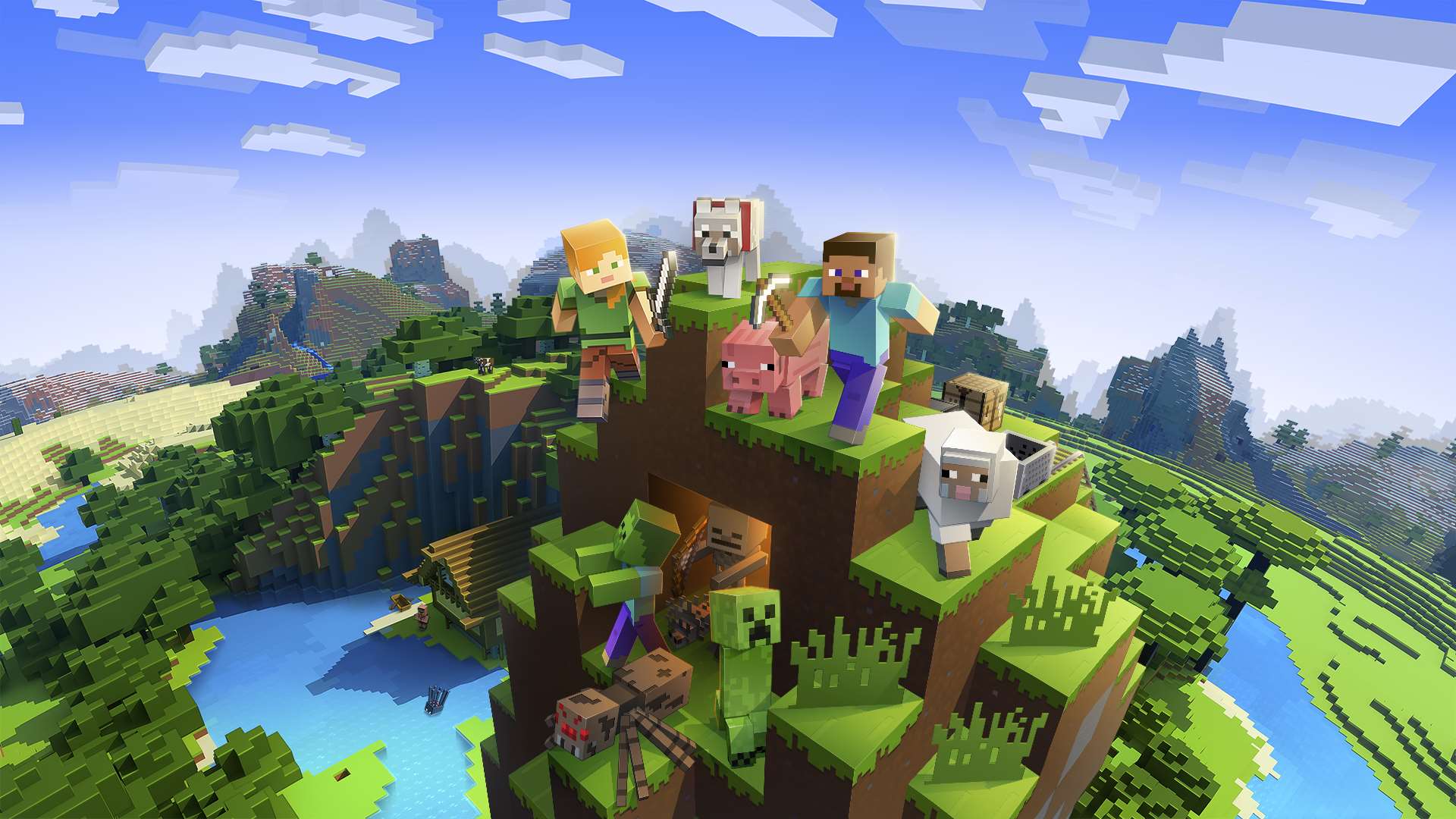
Minecraft gives you infinite space and almost no instructions. Counterintuitively, it's the constraints — the grid, the night, the hunger — that make creativity possible. Psychology explains why total freedom is the enemy of making things.
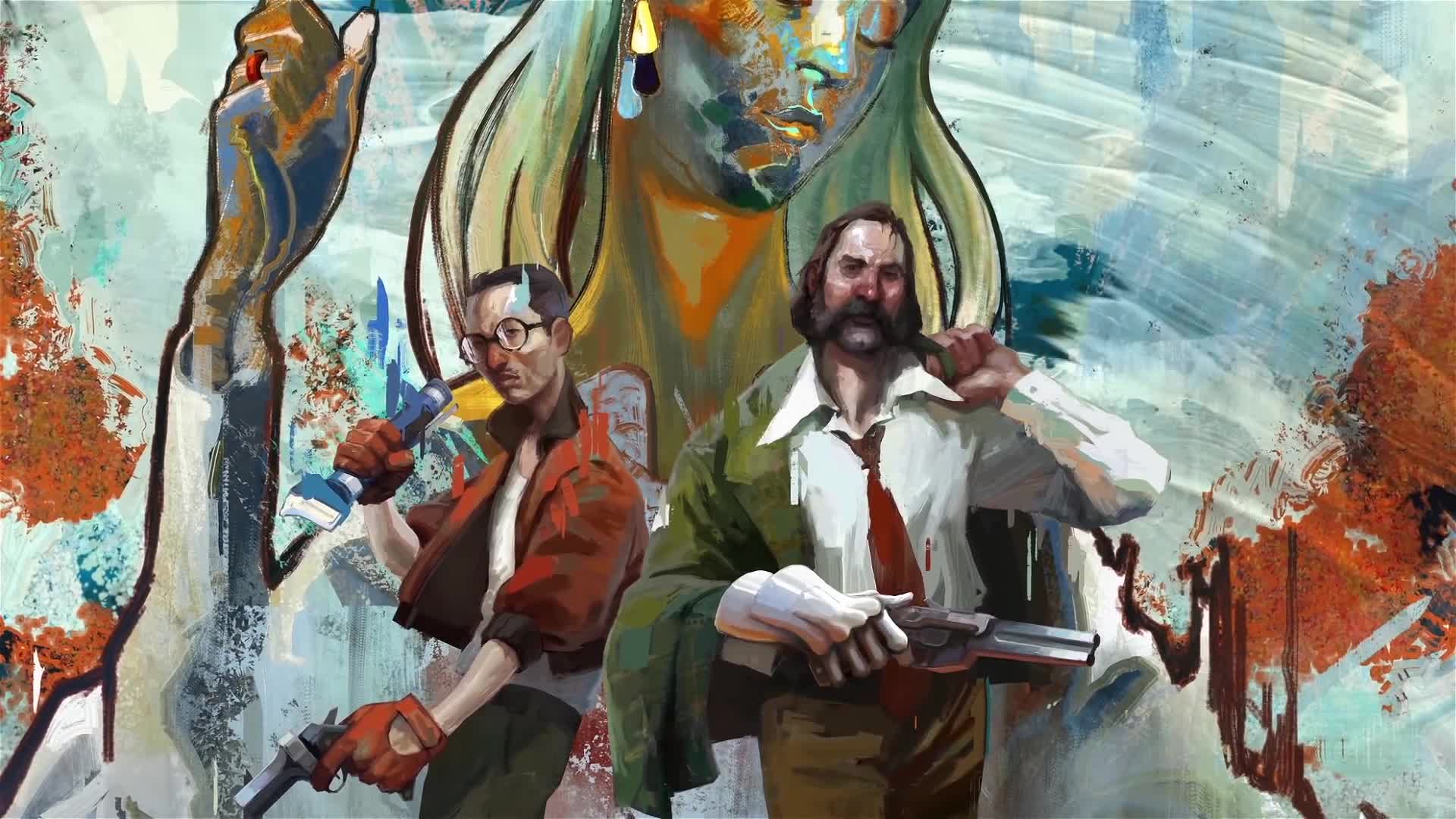
Disco Elysium gives you 30 skills that argue with each other before every decision. That's not just game design — it's the most honest model of the overwhelmed mind I've encountered outside a therapy room.
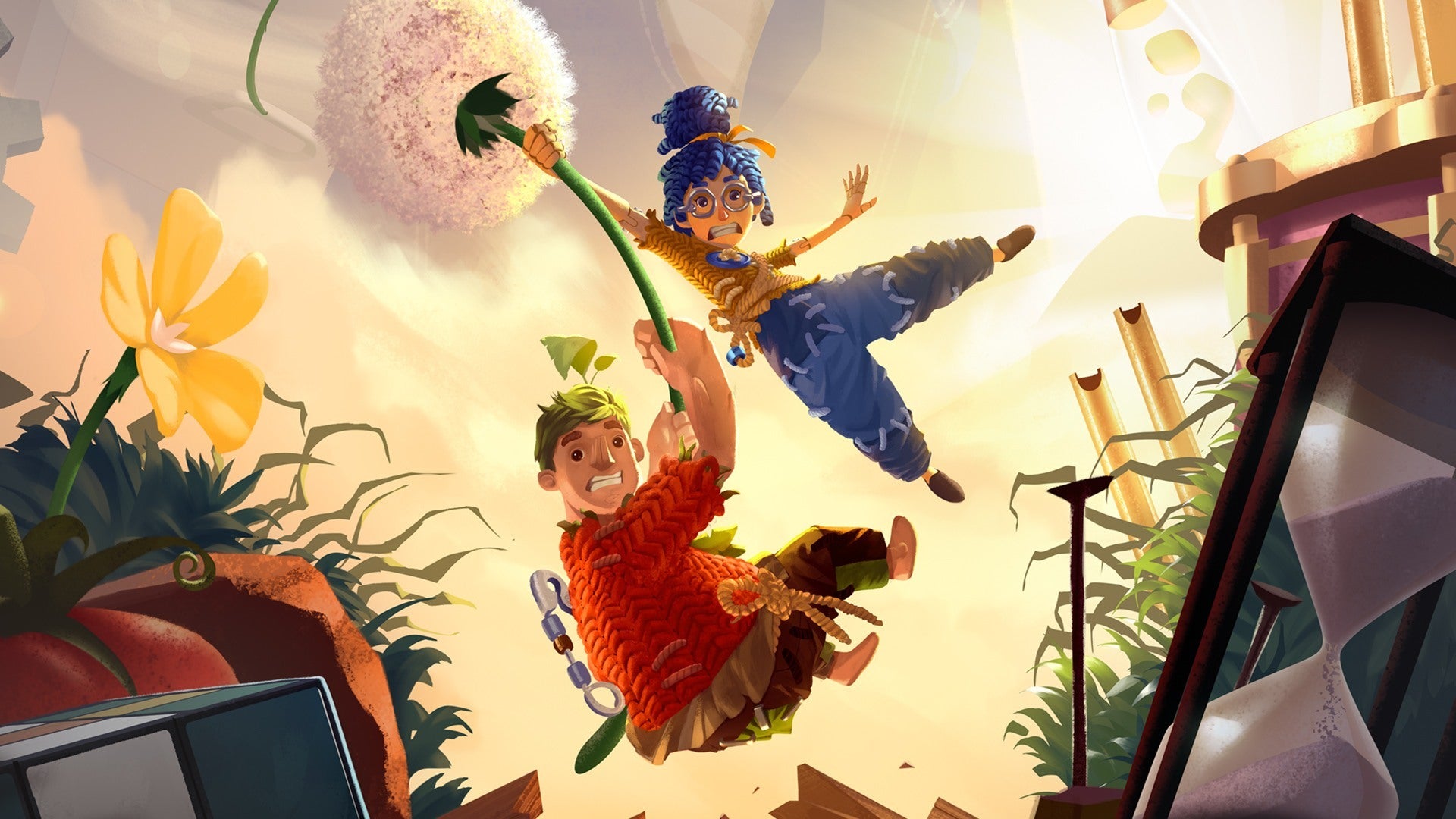
It Takes Two forces two players to communicate or fail. The Gottman research says this is exactly the skill most couples never actually practise — and why it matters more than love.
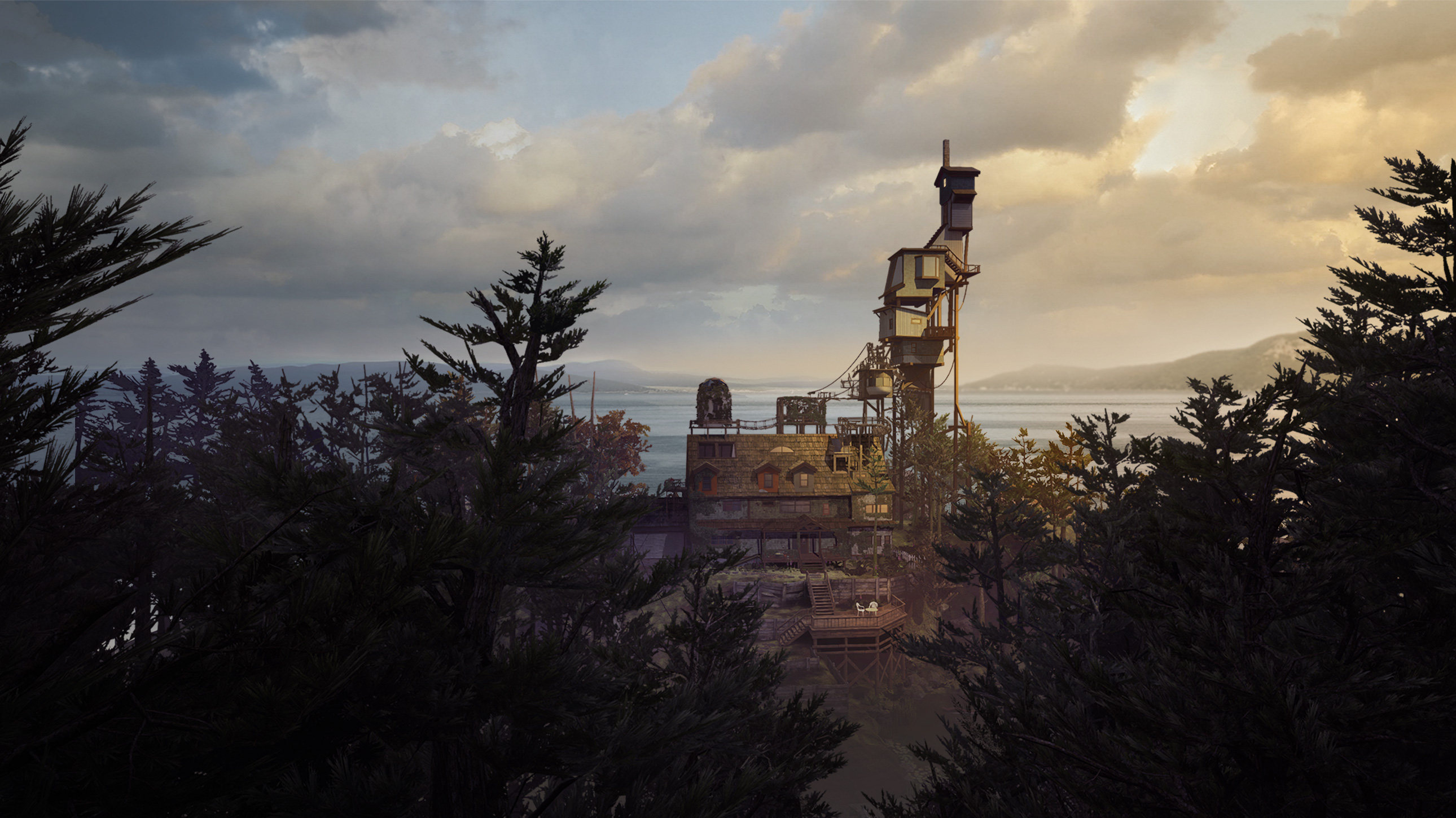
What Remains of Edith Finch is a two-hour game about a family that keeps dying. It is also the most honest thing I have encountered about grief — and why we are so bad at letting people go.
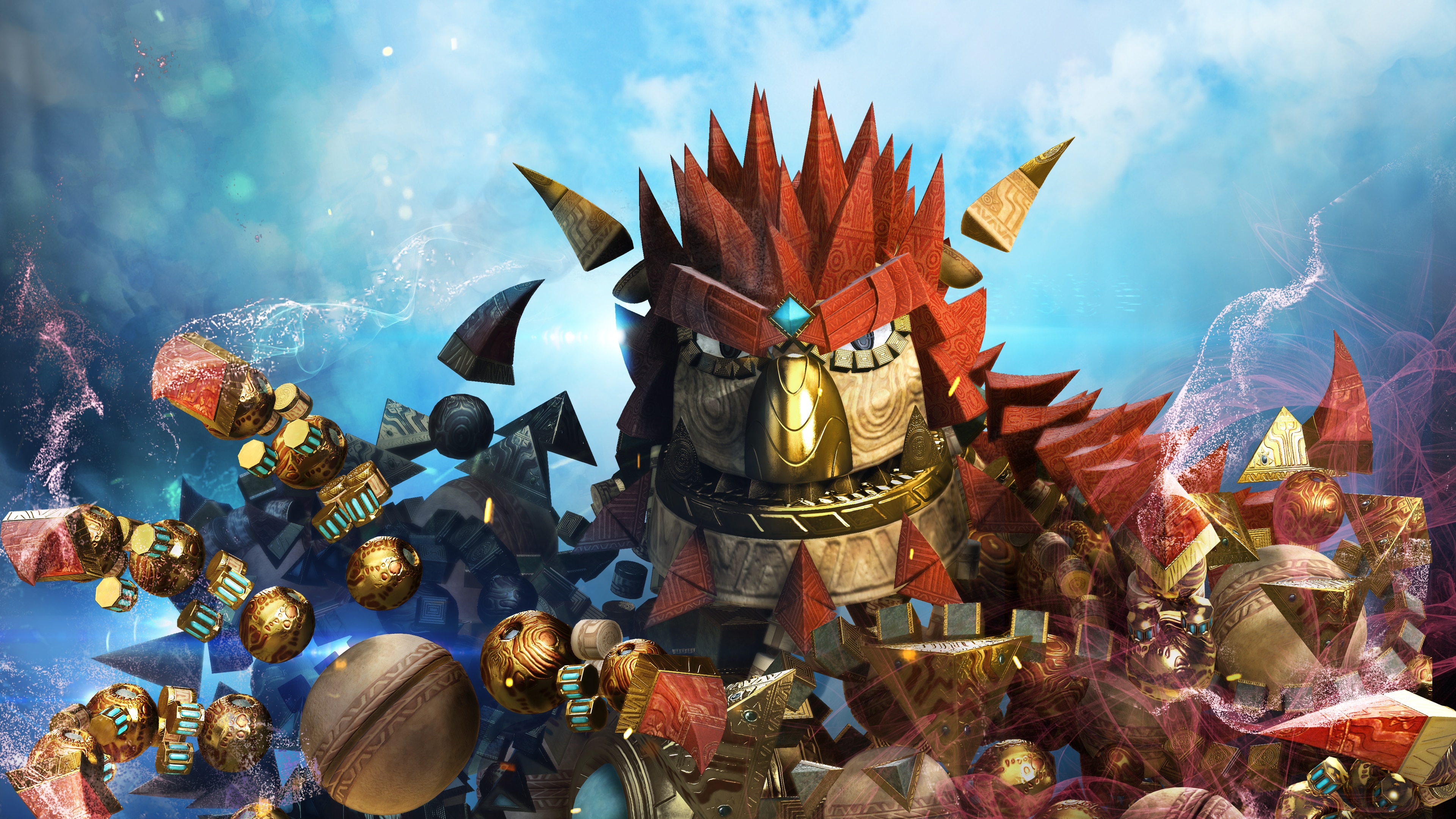
Knack absorbs relics and becomes something new. Identity theory says you are doing exactly the same thing — and how you integrate what you absorb matters more than what you started with.
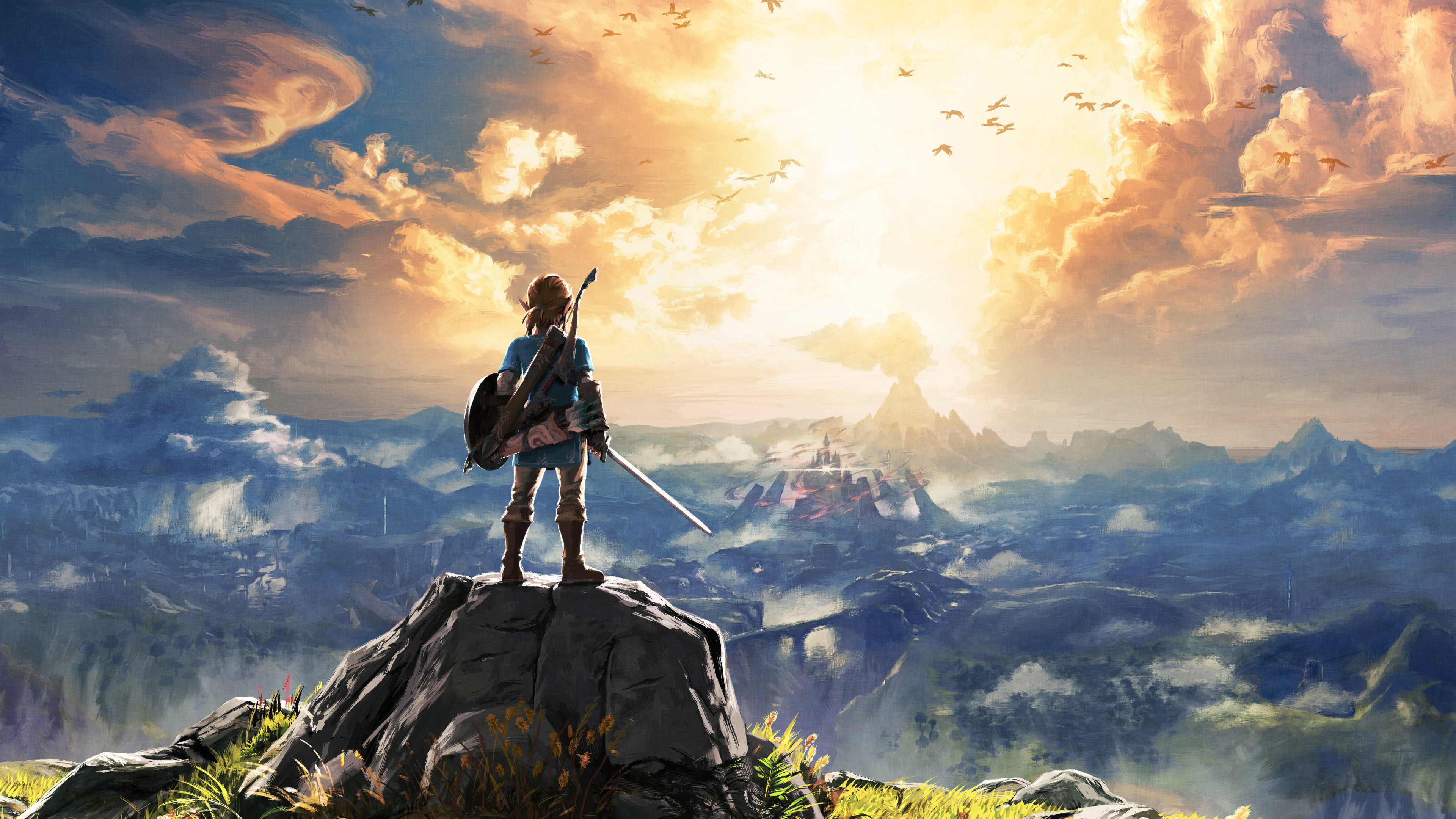
Breath of the Wild hands you a world and walks away. Self-determination theory explains why that single design choice makes it one of the most motivating experiences ever made.
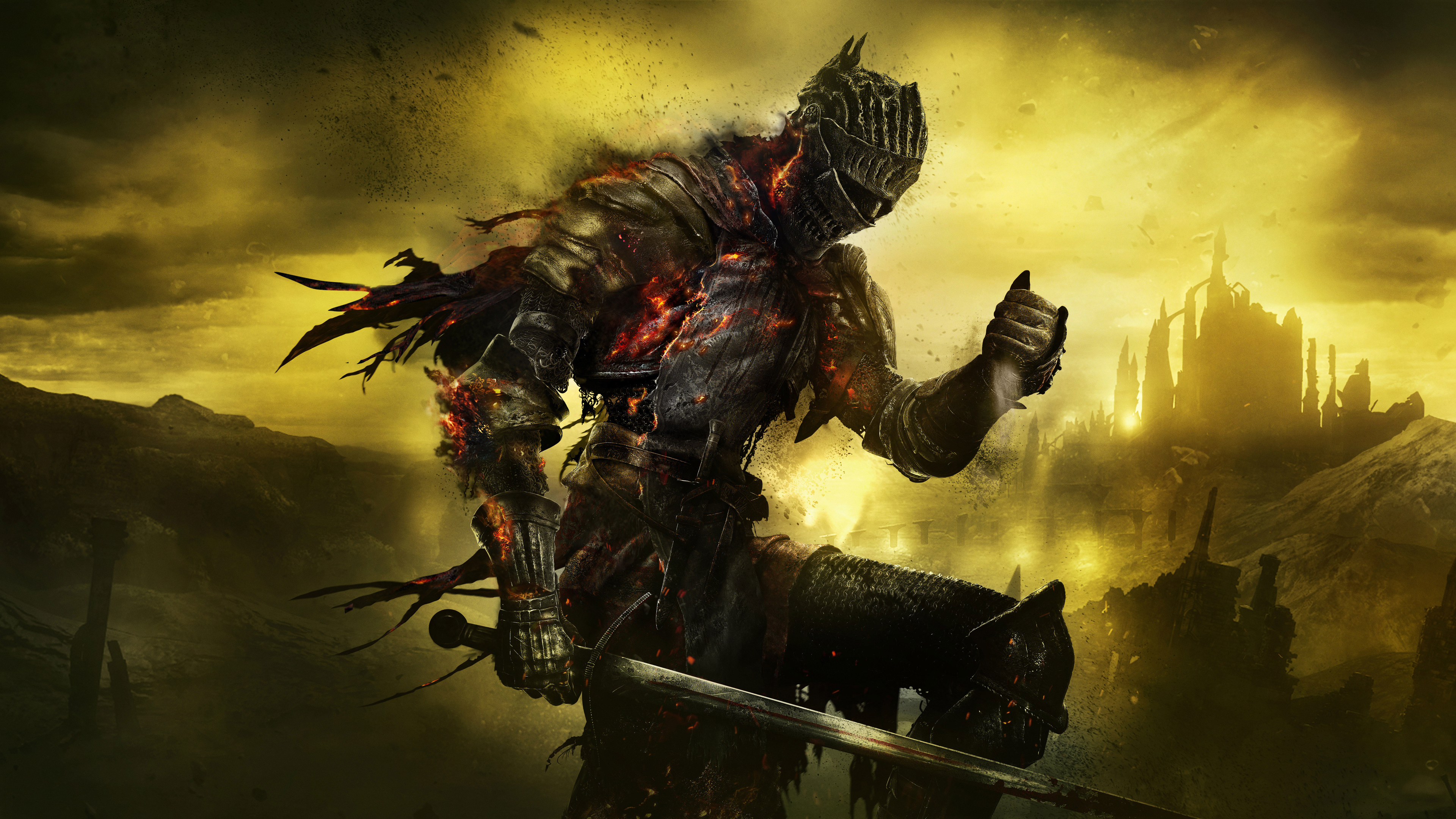
Dark Souls III is brutal, beautiful, and secretly one of the best arguments for asking for help you'll ever encounter.
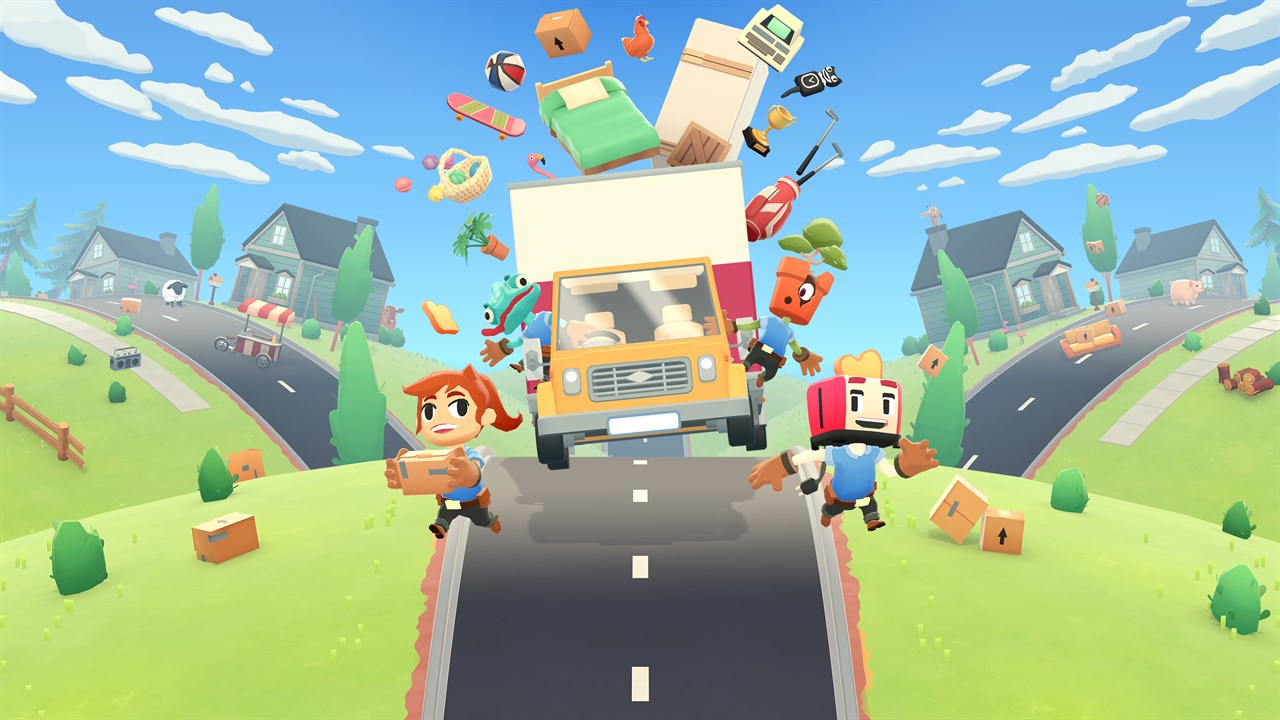
Moving is terrible. Moving Out is a game about moving. One of these things is fun. Can you guess which?
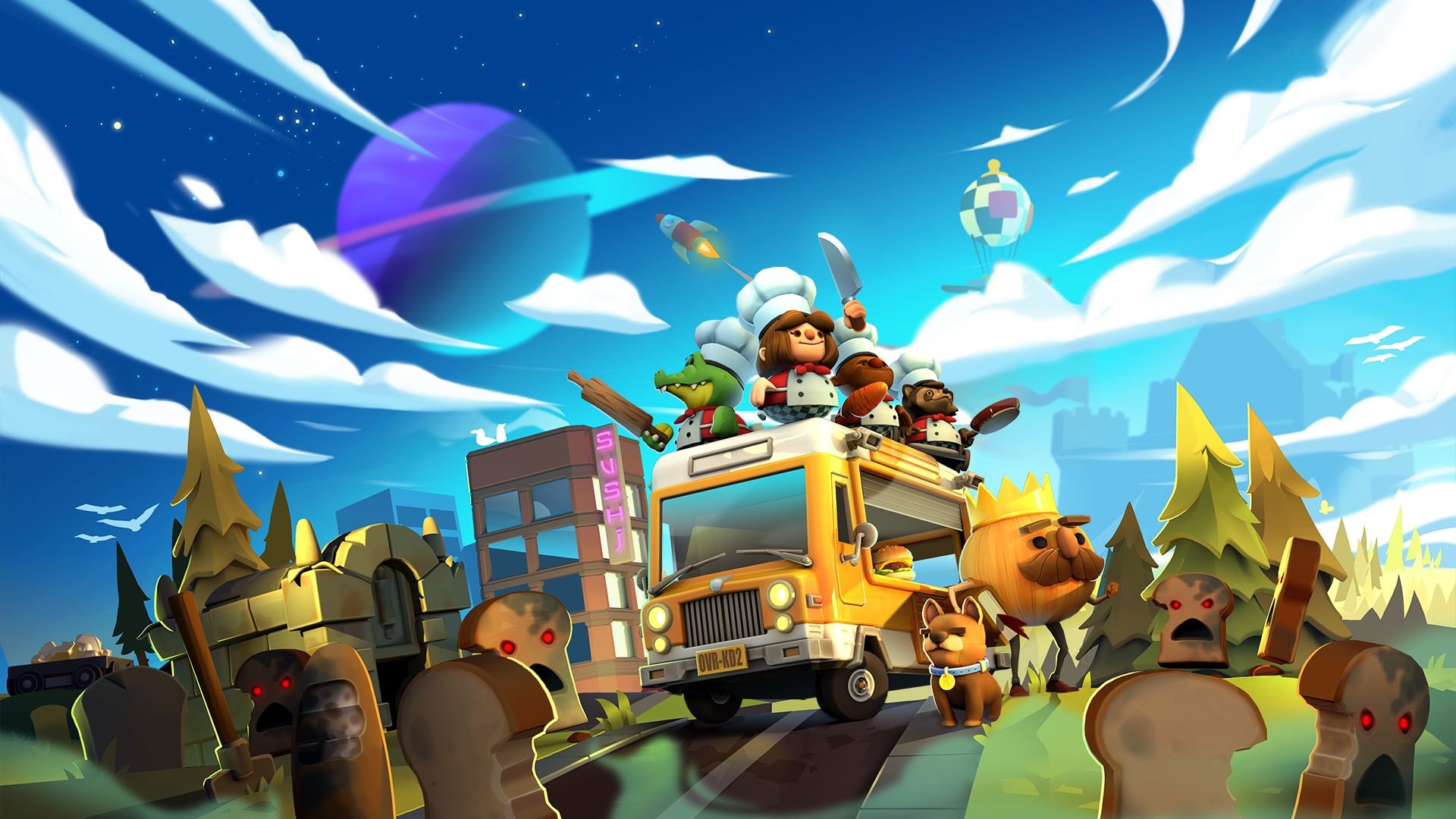
Cooking alone is a chore. Cooking together is a relationship test, a bonding exercise, and occasionally a kitchen fire. Science agrees.
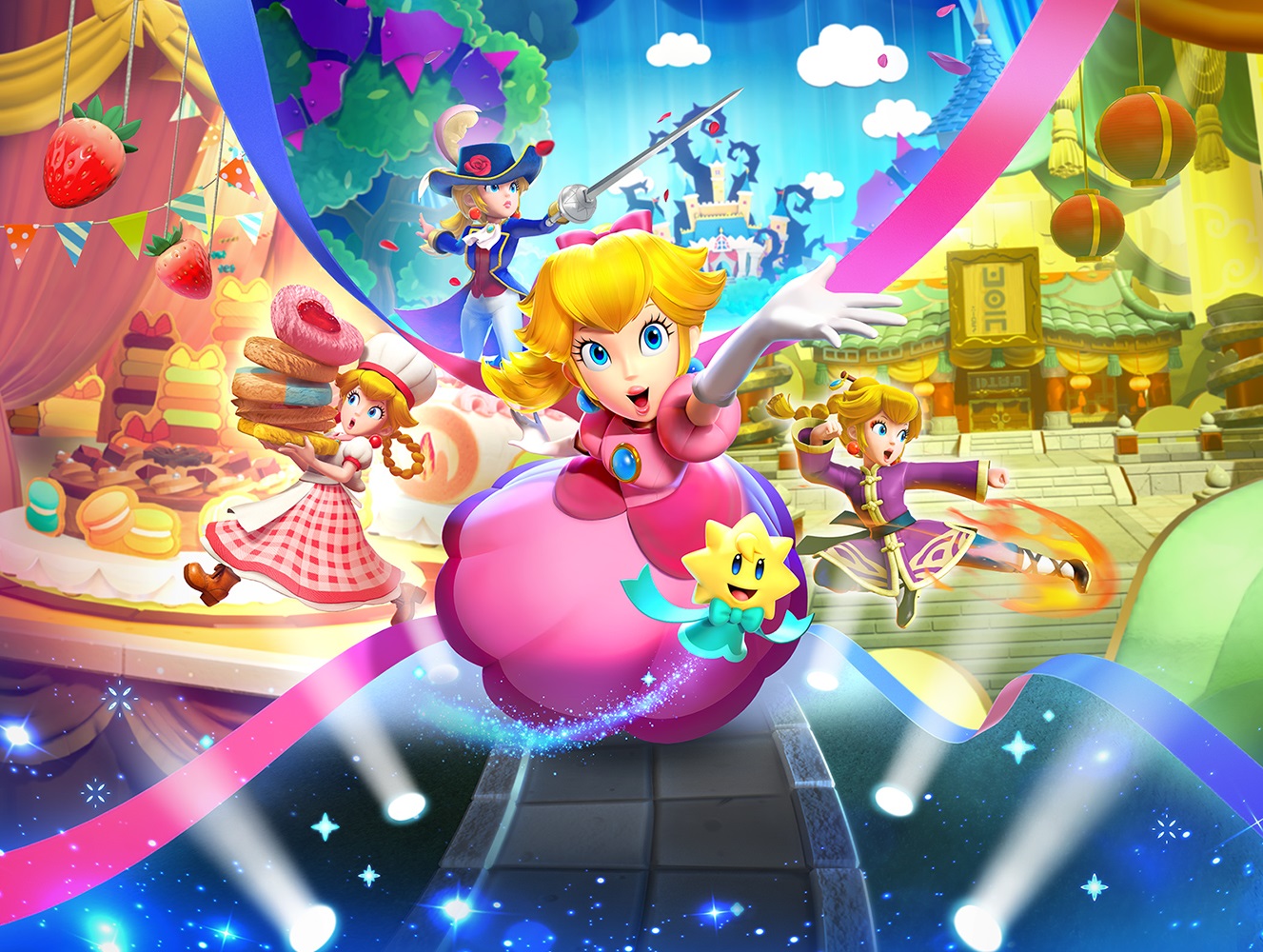
Princess Peach started as a damsel in distress. Forty years later she rules a kingdom, controls the weather with her emotions, and saves Mario. We're talking about it.
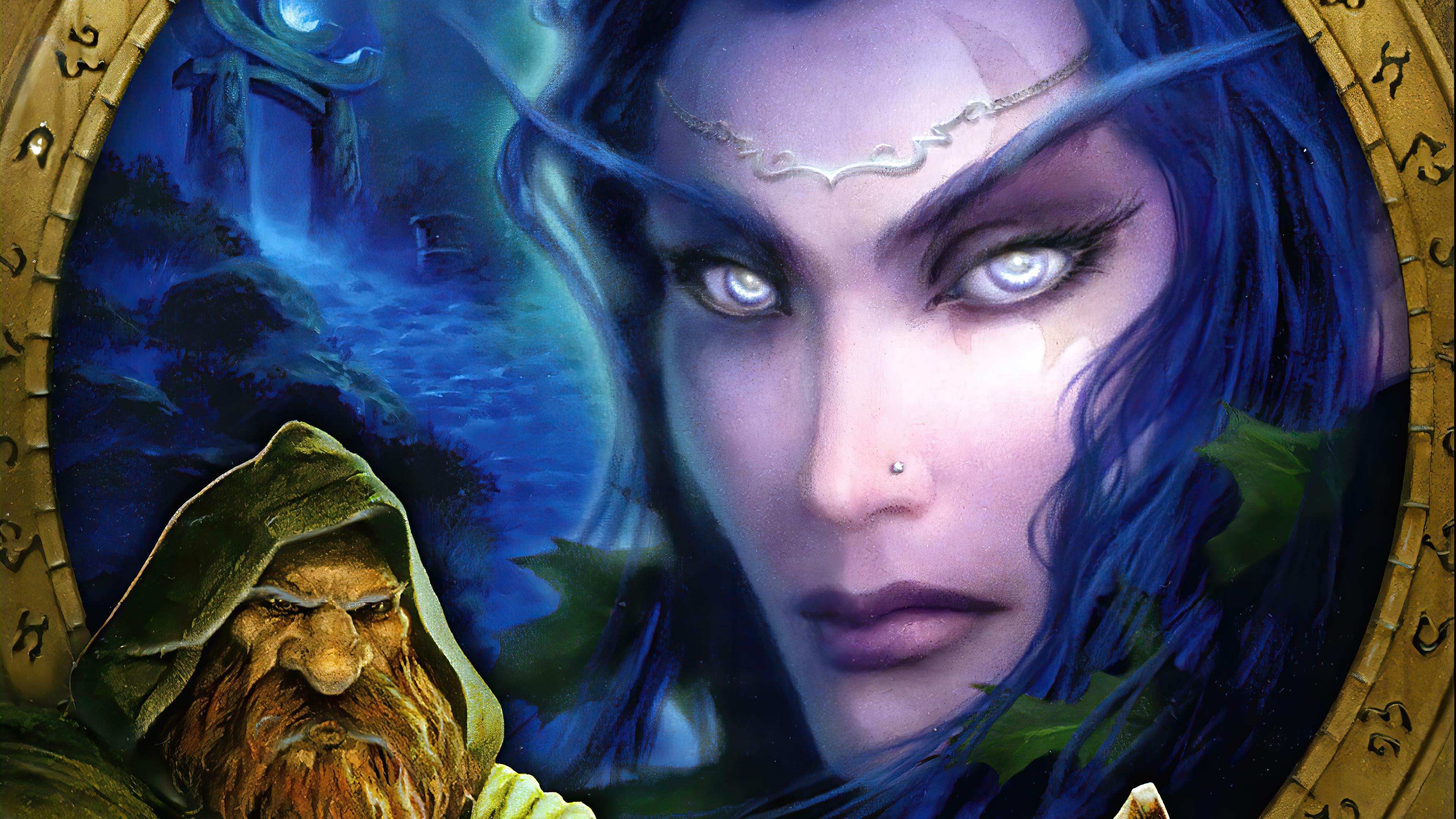
World of Warcraft is engineered to keep you playing. Here's the neuroscience of why it works, why it matters, and why I still load it up occasionally anyway.
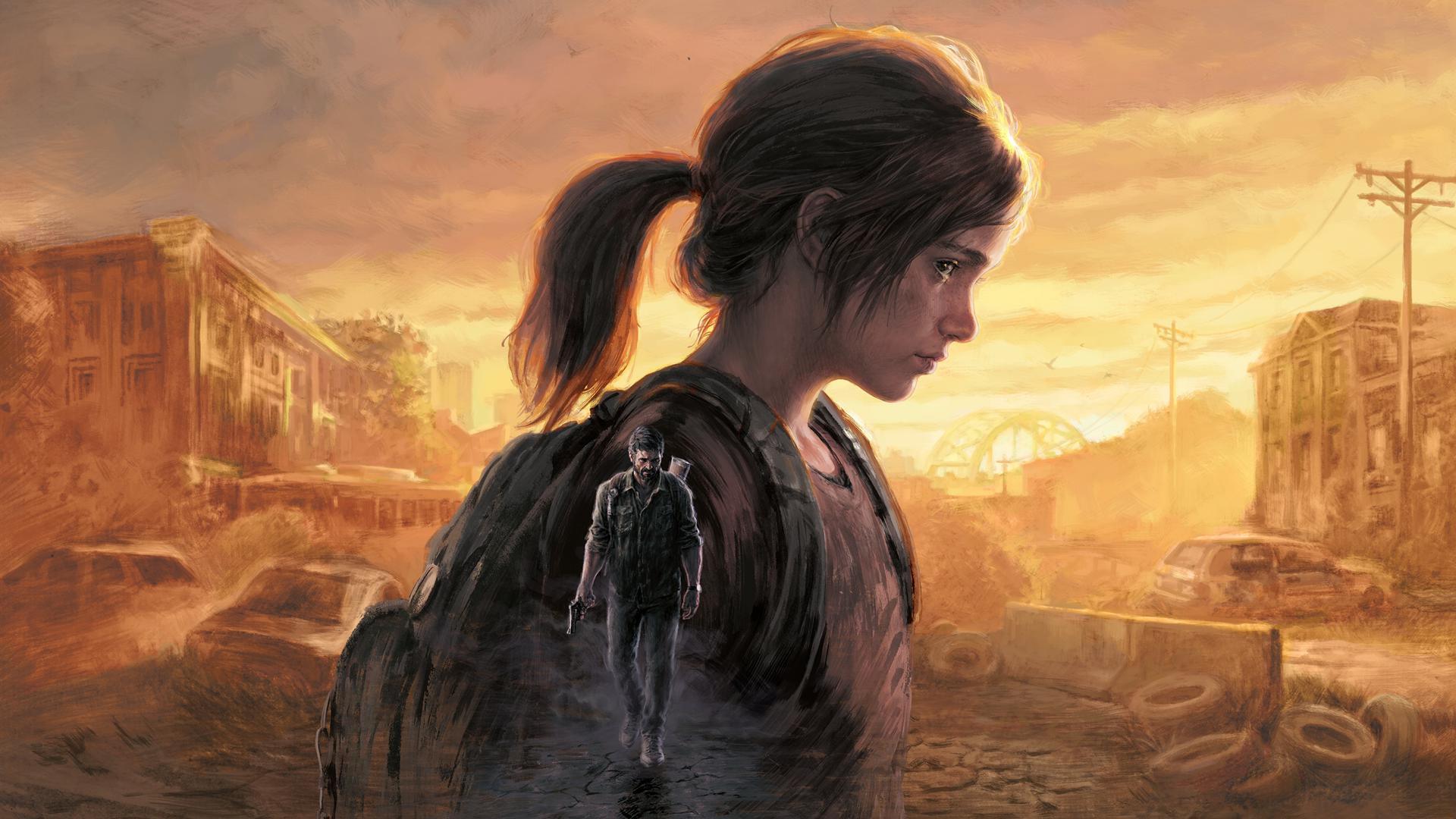
What actually holds people to their values — genuine ethics or just consequences? The Last of Us has thoughts. So do I.
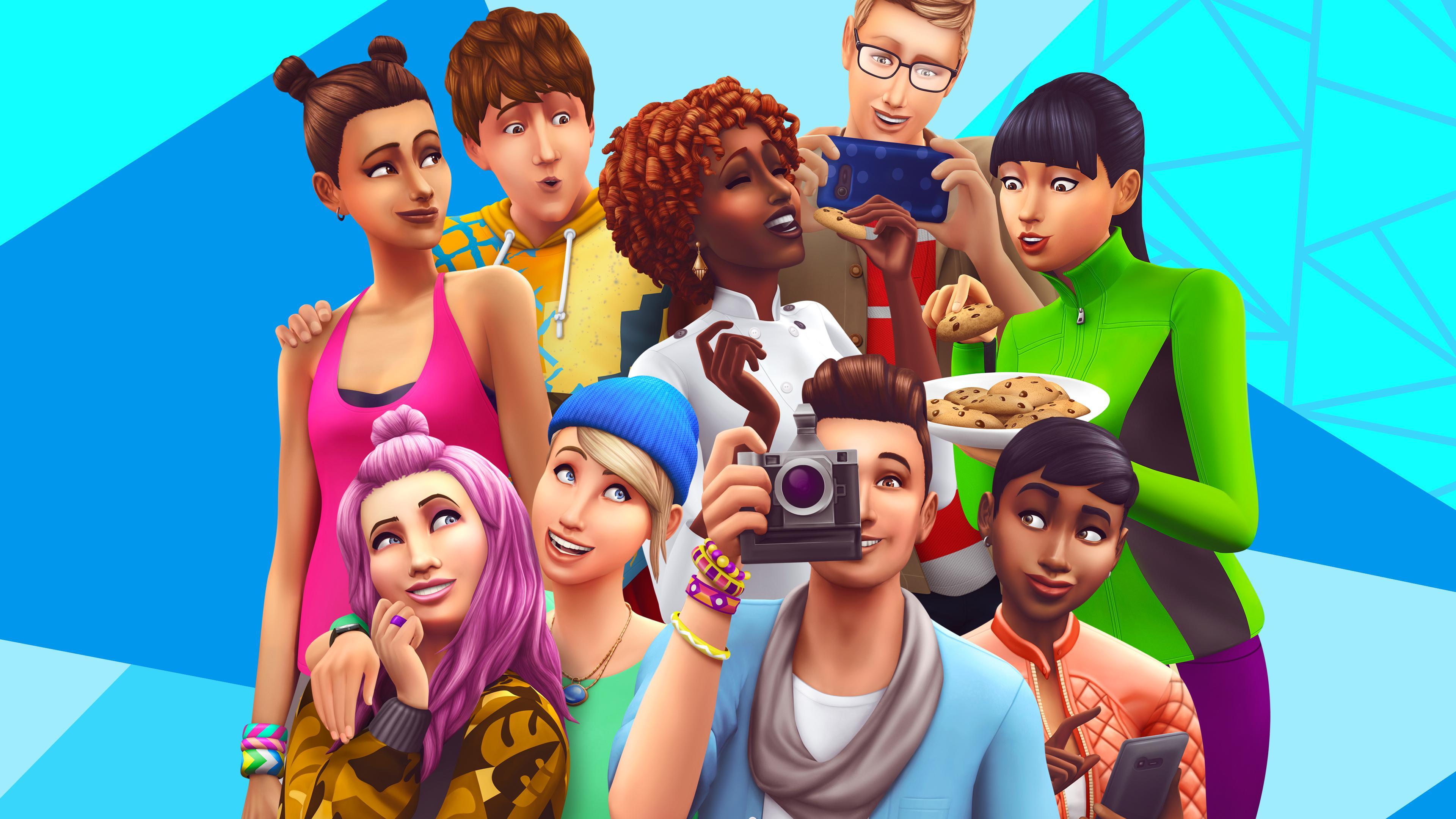
My mum introduced me to The Sims. We both got addicted. Now I'm in my thirties and the game is disturbingly accurate about adult life.
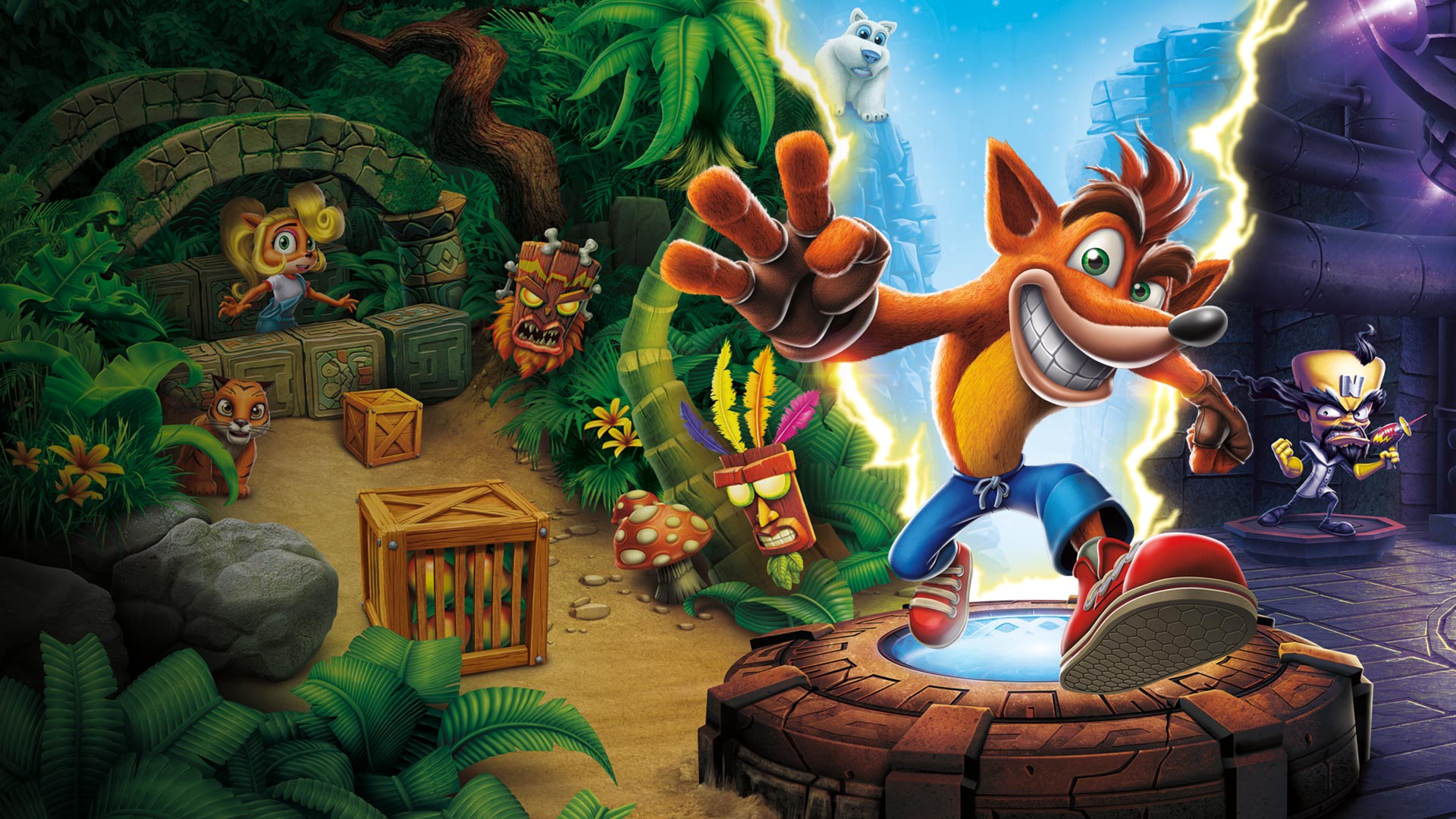
I traced my perfectionism to its source. It's a mutated orange marsupial. The research backs me up.
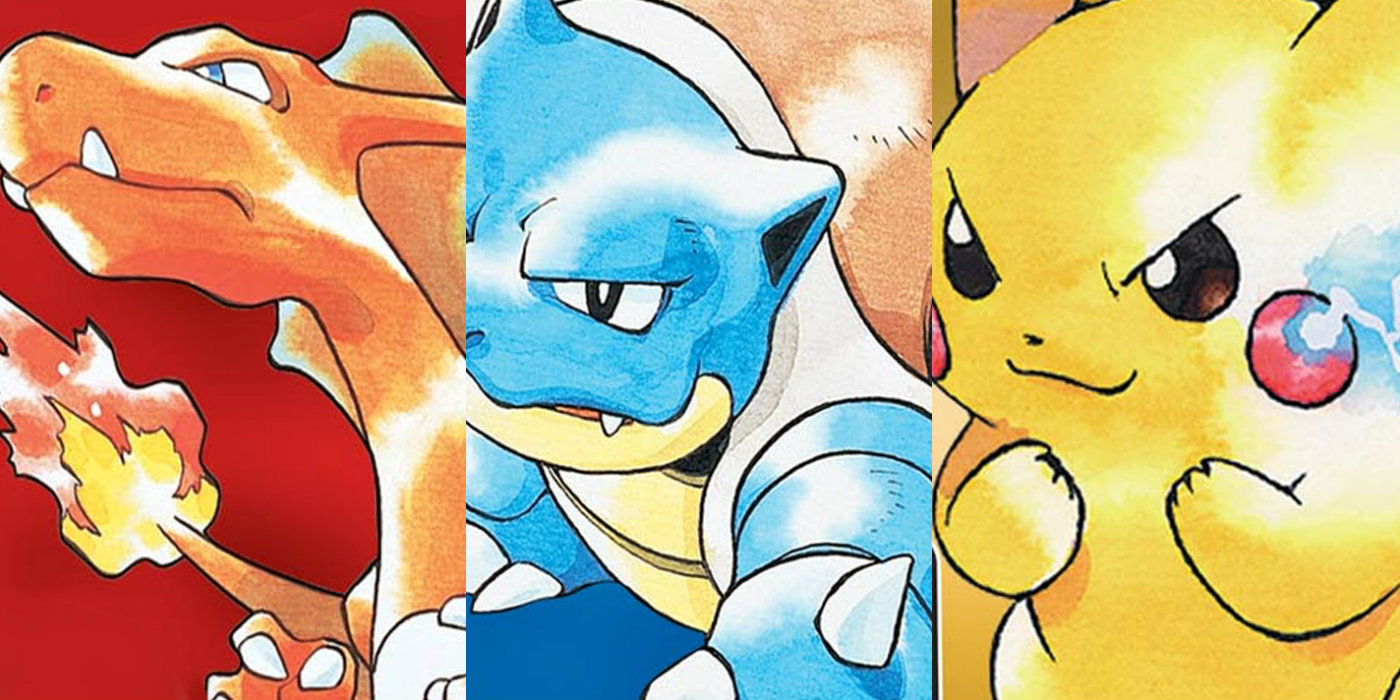
I have a Great Dane. He is perfect. I still want a Growlithe. This post is a serious examination of that desire.
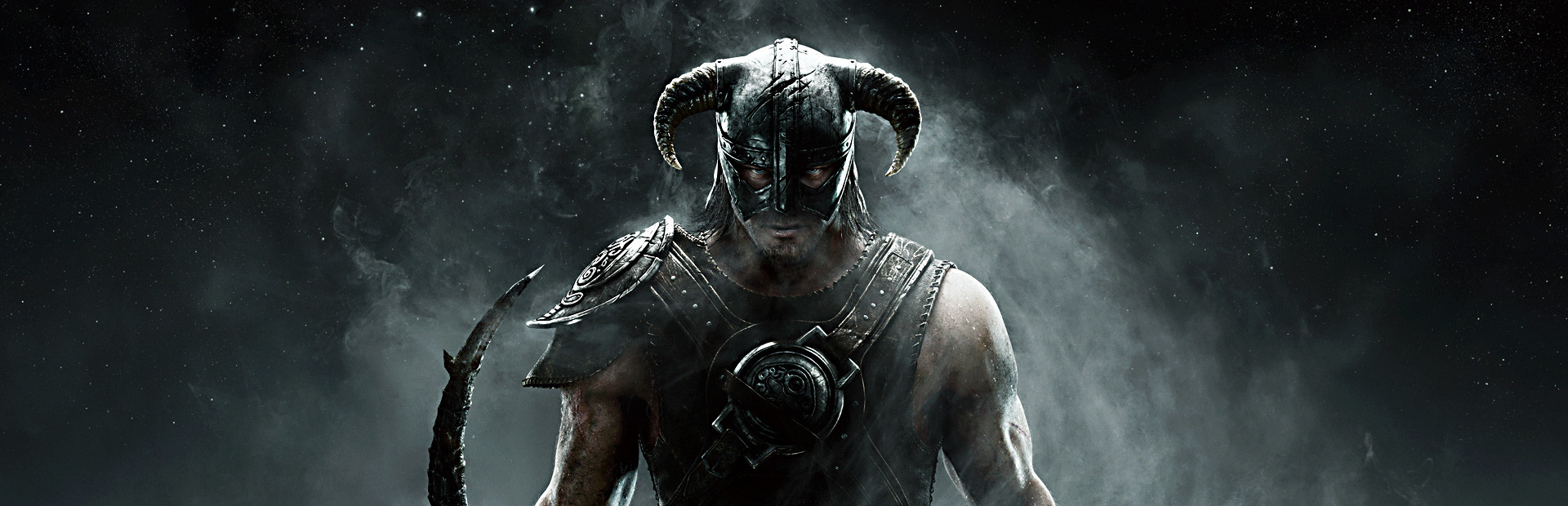
Skyrim's skill trees are a perfect metaphor for how mastery actually works — and what we lose when we have to wait 10,000 hours for it.
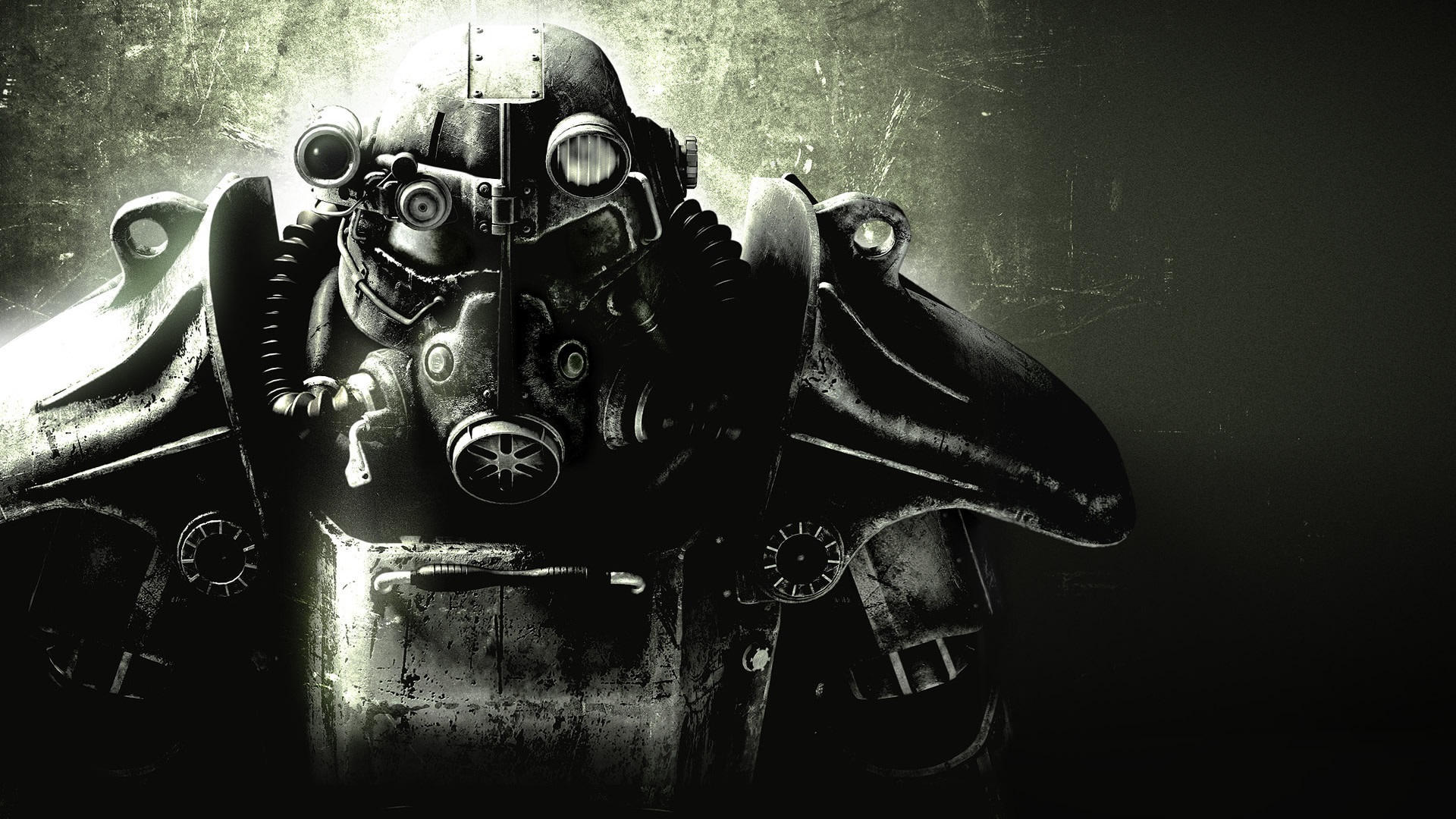
I can't play evil in games. Some people can do it with no discomfort. The psychology of why is genuinely fascinating.
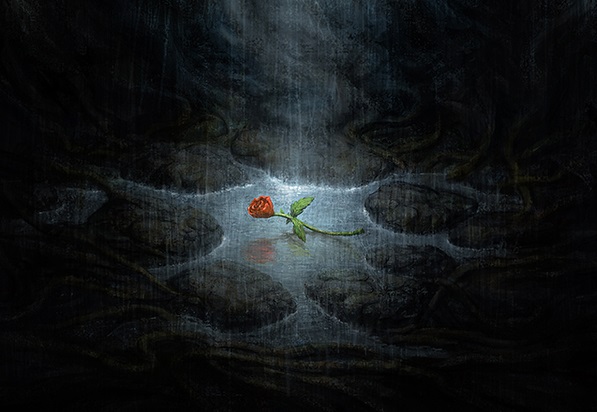
Horror games are the best social activity nobody talks about. Here's why Amnesia brings people closer together than most things that are supposed to.
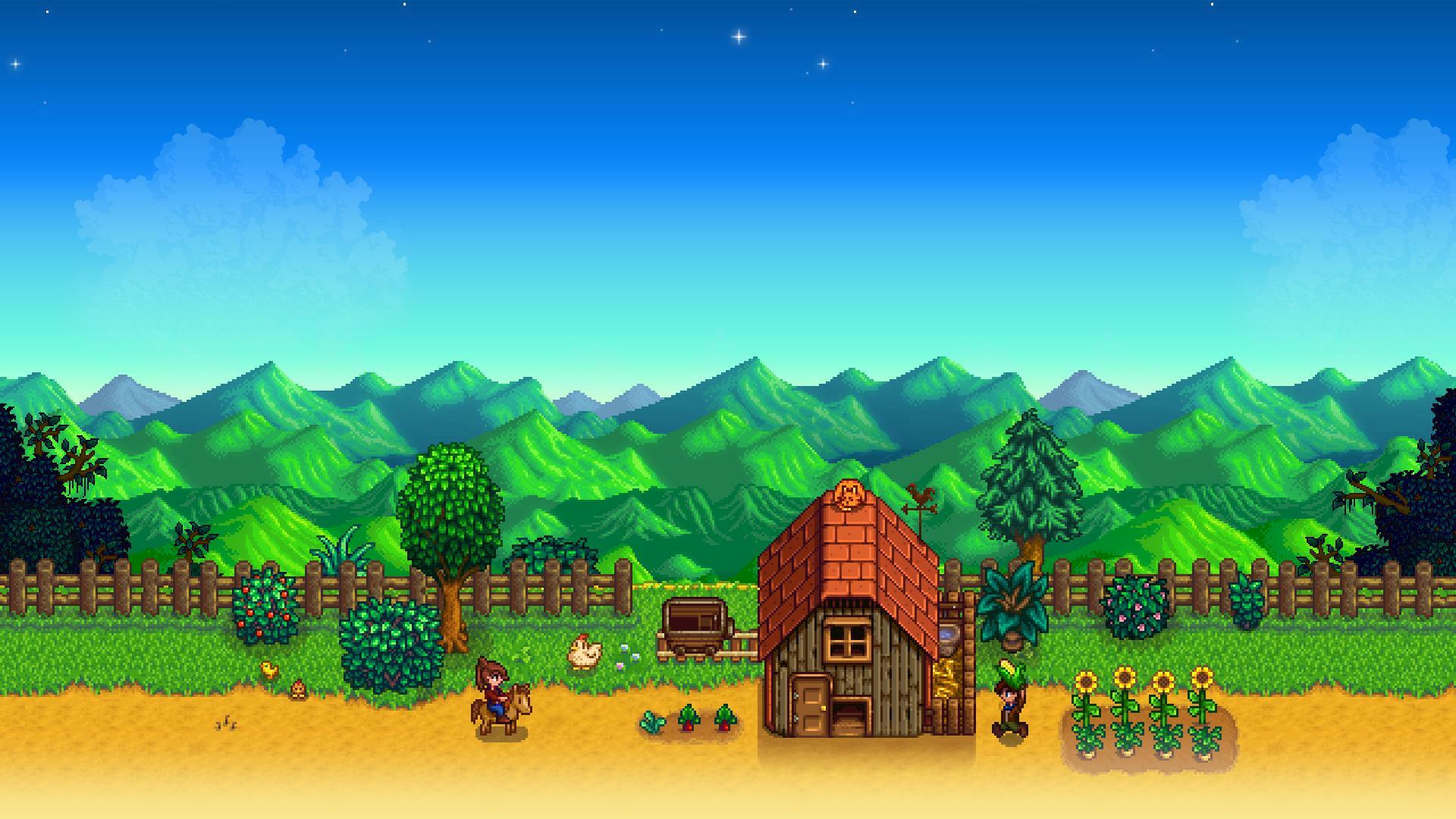
30 million people play a game about watering crops and going to bed on time. There's a reason — and it's backed by occupational health research.
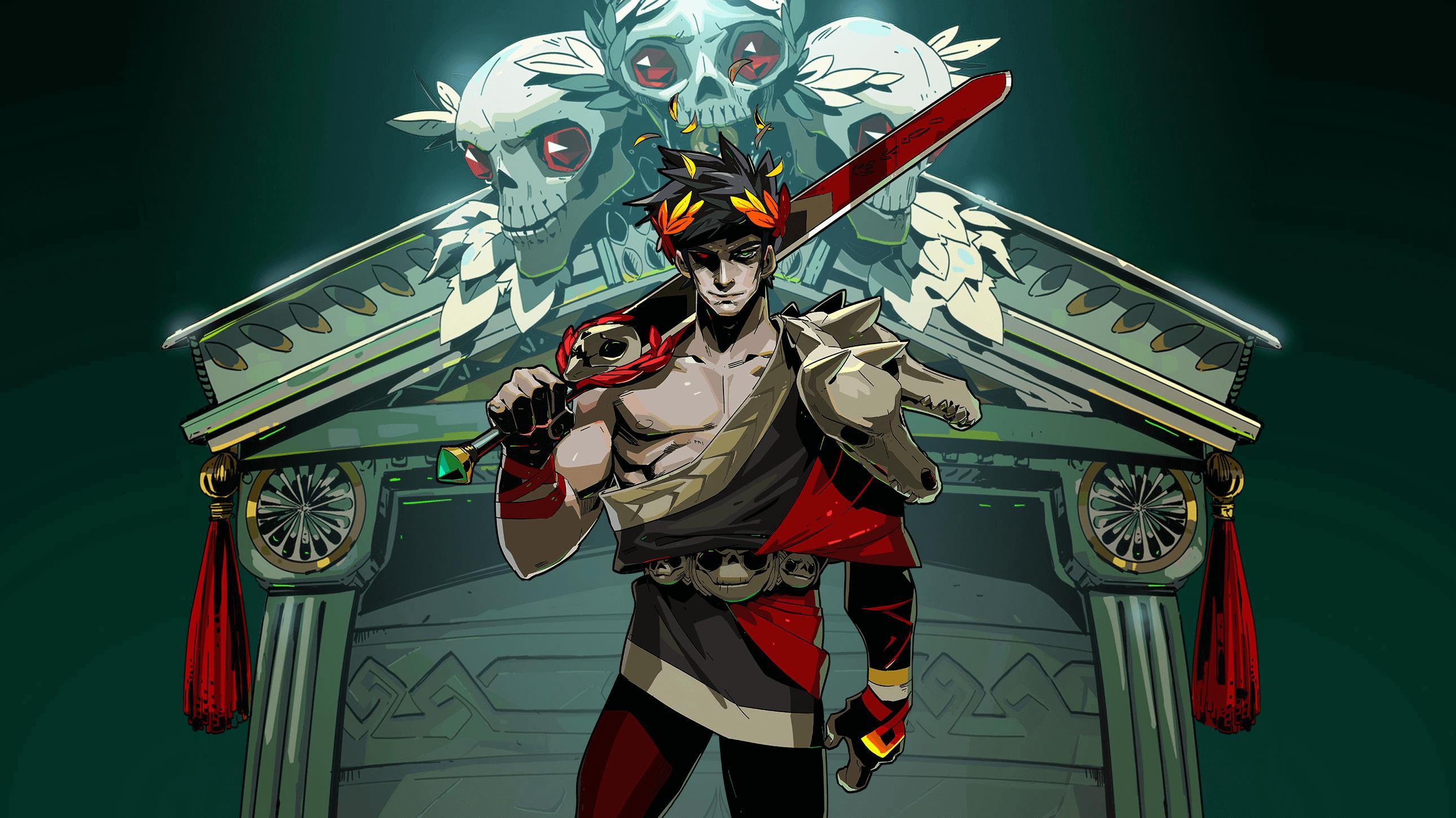
Hades is a game about dying repeatedly in the underworld. It's also one of the clearest demonstrations of what failure tolerance actually looks like in practice.
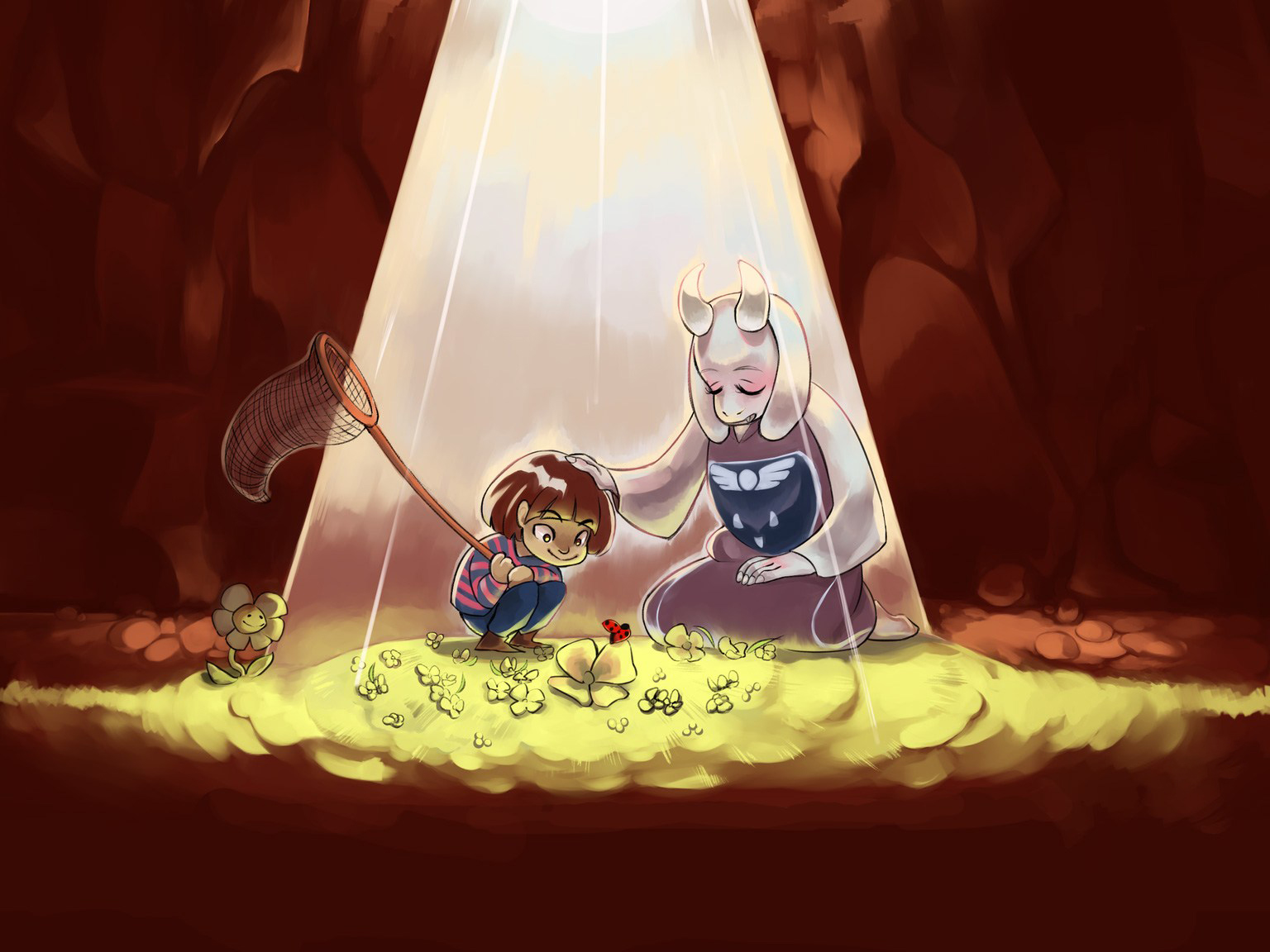
Undertale is a €10 RPG where you don't have to kill anyone. It made me cry. The empathy research explains exactly why it works.

Rocket League is cars playing football. It's also a live demonstration of the Dunning-Kruger effect — and what accurate self-assessment actually feels like.