A long time ago, a friend of mine — clever, funny, genuinely good company — got played by someone who turned out to be exactly as interested in her as it looked like: not very. When it was over, she said something I've thought about ever since: "A lot of people are alive today simply because it's lawfully illegal to kill them."
She was a teenager at the time, hormones at full volume. But parts of the sentence have stayed with me, because the question underneath it is real: What actually holds people back from their worst impulses? Is it genuine ethics — internalized values — or just the presence of consequences?
The Last of Us answers that question with a fungal apocalypse and twenty years of cascading human choices. And its answer is not particularly reassuring.
What the Game Is Actually About
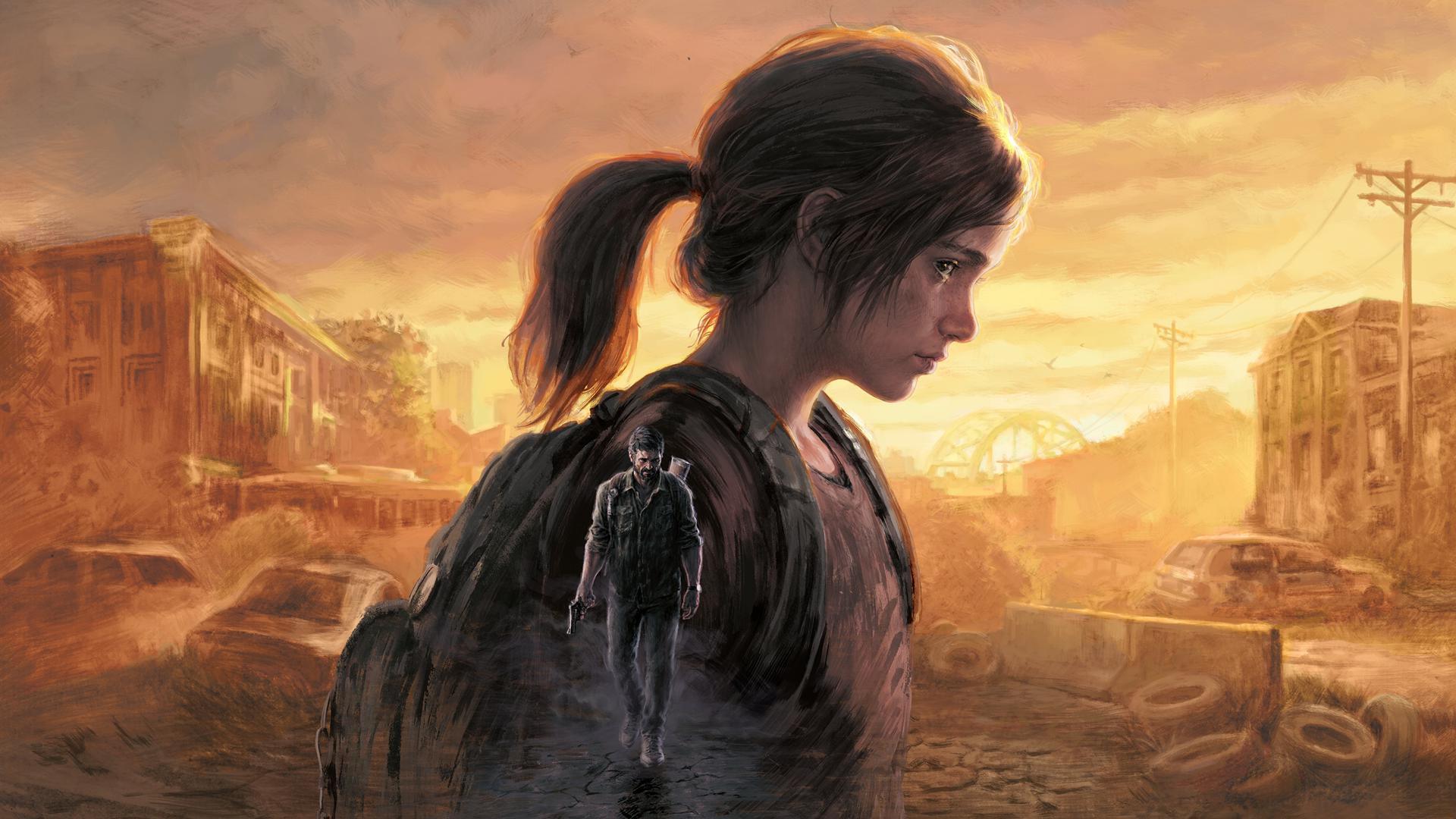
Released in 2013, The Last of Us is set in a post-outbreak United States where a mutated Cordyceps fungus (a real parasite — look up "zombie-ant fungus" if you want to feel appropriately unsettled) has collapsed civilization. Joel and Ellie travel across the ruins of America. The game is extraordinary. If you haven't played it, the HBO series is almost as good.
What makes it remarkable isn't the infected. It's the humans. FEDRA — the emergency government agency — runs quarantine zones with a combination of genuine protection and serious corruption. The Fireflies, positioned as a resistance movement, are simultaneously freedom fighters and people willing to kill a child for a cure. And then there are the people who aren't part of any organization at all — the ones who've decided that in the absence of law, the only rule is survival.
The Psychological Reality
Research on moral behavior in crisis situations is sobering. Studies on how people act during social breakdown — from post-disaster looting to wartime behavior — suggest that most people default to prosocial behavior initially. The famous "Dunkirk effect," examined in research on emergency cooperation, shows humans pulling together in genuine crisis. But as time passes and resources become scarce, social cohesion breaks down in predictable ways.
The mechanism underlying this is moral disengagement — a concept developed by psychologist Albert Bandura. His research demonstrates that people can suspend their usual ethical standards without guilt by using cognitive reframing: "it's just survival," "everyone else is doing it," "they're not really like us." This isn't unique to apocalyptic scenarios. It happens in ordinary institutional settings, in online anonymity, and in gaming.
In a post-apocalyptic scenario, which group would you realistically end up with?
Research note: Bandura's moral disengagement theory (1999, published in Personality and Social Psychology Review) identifies eight specific mechanisms people use to disengage from their ethics while continuing to act against them. The Last of Us illustrates at least six of them in its human villains. David, you know who you are.
The Gray Zone
What makes The Last of Us morally interesting — rather than just morally bleak — is that it refuses to make the calculus clean. Joel's final decision in the game is ethically indefensible and emotionally completely understandable. Ellie's choices in Part II are monstrous and entirely human. The Fireflies are idealists who do terrible things for genuinely good reasons. FEDRA is corrupt and also keeping people alive.
This is the real question the game poses: when there are no clear good options, what does your choice reveal about you? Not what it achieves — what it reveals?
What I Actually Think Would Happen
I would not survive. This is not false modesty. I cannot identify edible plants, my navigation instincts are terrible, and if the fungal virus really did spread through flour — as one popular fan theory suggests — I would have been infected within approximately forty-eight hours of the outbreak. I eat bread every day.
But I do think about the ethics question seriously. I don't believe I would default to the worst options. I also don't believe I'd default to the best ones. I think I'd end up somewhere like Bill — building walls, maintaining order within them, suspicious of everyone, and deeply lonely. Alive, but at significant cost.
Which is maybe the most honest answer any of us can give.
No comments yet — be the first!