Horror games occupy a unique position in the medium: they are deliberately unpleasant, and we play them anyway. More than that — we seek them out. We pay money to have our hearts rate spike in our living rooms at eleven at night, then wonder why we can't sleep.
There's actual science behind this. Research in fear psychology suggests that controlled exposure to frightening stimuli triggers a "natural high" — a neurochemical surge including endorphins and dopamine that produces a state of heightened arousal that many people find pleasurable once they're safe. The body activates the threat response; the brain registers no actual danger; the result is something that feels exciting rather than traumatic. Rollercoasters run on the same principle.
But that's not why I'm here to talk about horror games. I'm here because of what they do when you play them with someone else.
Amnesia: The Dark Descent
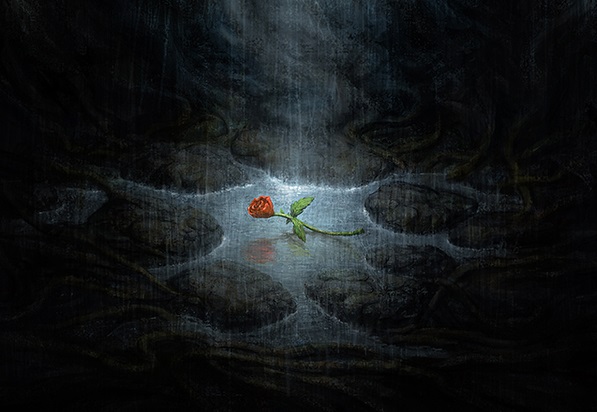
Released in 2010 by Frictional Games, Amnesia is a survival horror game in which you play as Daniel, navigating a terrifying castle with no memory, no weapons, and absolutely no means of defending yourself against the creatures pursuing you. You hide. You run. You solve puzzles in the dark while trying not to look directly at the monsters, because looking at them damages your sanity.
I played it once, in one six-hour session, with a friend. We took turns holding the controller through rock-paper-scissors, because neither of us wanted to be the one actually moving Daniel. We sweated through our shirts. The bike ride home in the dark afterwards was the most frightened I have been as an adult. Neither of us would trade the experience.
Why Horror Games Bring People Together
Here is the thing about horror games that nobody quite acknowledges: they don't require co-op to be social. One person plays; the other watches, advises, panics alongside, and occasionally screams at the same time from a different chair. This is the living room gaming experience of childhood — a shared experience, not a split-screen one.
Research on shared emotional experiences consistently shows that going through something intense with another person accelerates social bonding. A study published in Psychological Science (Boothby et al., 2014) found that shared experiences — including negative ones — are felt more intensely when shared, and that this intensification increases connection between the people involved. Shared horror, specifically, creates what researchers call "collective effervescence" — a sense of being part of something larger than yourself.
The moment my friend and I locked Daniel in a closet, turned his face to the wall, and held our breath while something moved in the corridor outside — that was one of the most connected I have felt with another person in a completely ordinary evening. The stakes were fictional. The experience was real.
How do you prefer to play horror games?
The Collaborative Problem-Solving Bonus
Horror games with puzzle elements — Amnesia being one of the best examples — add a layer of teamwork that pure action games don't require. The person holding the controller might miss things that the person watching catches. "The lever is on the left." "Don't go in there." "Check that drawer again." You become collectively smarter than either of you would be alone.
This is, incidentally, a well-documented phenomenon. Research on "transactive memory systems" (Wegner, 1987) shows that groups develop shared cognitive resources where each member specialises in different kinds of knowledge — and that this collaborative cognition outperforms individuals on complex tasks. A horror game, with its environmental puzzles and atmosphere of stress, activates exactly this dynamic.
The honest recommendation: Call someone you haven't properly spent time with. Get snacks. Play Amnesia together. You will be terrified, you will laugh until it hurts, and you will have a memory that a restaurant dinner couldn't generate. I cannot guarantee you'll both want to be the one holding the controller — but I can guarantee neither of you will forget it.
No comments yet — be the first!