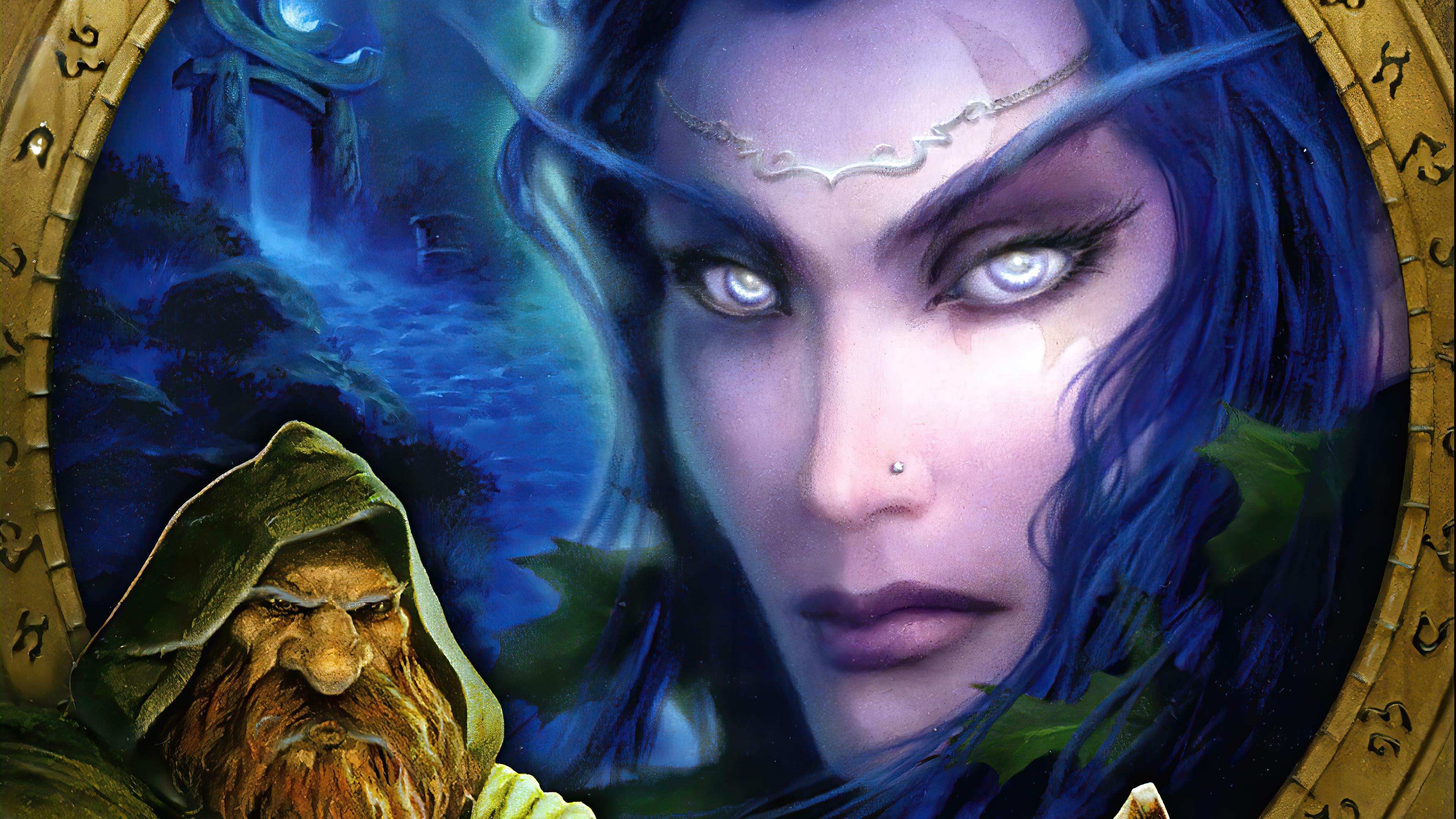
There is one game that broke me. Not in the dramatic, controller-through-the-wall way. In the slow, quiet way where you look up from your screen on a Saturday afternoon and realise you've been playing since Thursday. Just one more quest. One more raid. One more level. Always one more.
That game was World of Warcraft. And if you know, you know.
Why WoW Is So Hard to Put Down — The Science
This isn't just a willpower problem. The mechanism is neurological. Research published in General Psychiatry (Wang et al., 2019) describes WoW and similar MMORPGs as relying on a "compulsion loop" — a cycle of quests, rewards, and new goals designed to continuously activate the brain's dopamine system. The expectation of reward releases dopamine before the reward even arrives. That anticipation is what keeps you logging back in.
A peer-reviewed study in Frontiers in Psychology (Gros et al., 2020) found that the dopamine released during competitive video game play is neurochemically comparable to that of psychostimulant drugs. That is not a metaphor. It is a measurement. The same reward circuitry, the same reinforcement pattern.
WoW specifically is engineered for this. The levelling curve steepens deliberately over time — each subsequent level requires more hours than the last, keeping you just ahead of satisfaction. The subscription model creates sunk-cost pressure: you've already paid, so you should play. New expansions reset gear progression, making your previous accomplishments feel obsolete and restarting the loop from scratch. Blizzard didn't accidentally create one of the most addictive games in history. They built it that way.
What is your relationship with World of Warcraft (or a similar MMORPG)?
The WHO Made It Official
In 2019, the World Health Organisation officially classified Gaming Disorder as a mental health condition, defined by impaired control over gaming, increasing priority given to gaming over other activities, and continuation despite negative consequences. The estimated prevalence sits between 1.7 and 10% of the general gaming population. That's not a tiny number.
I want to be clear: I'm not suggesting everyone who plays WoW has a disorder. Most people don't. But the design features that make it compelling are the same ones that make it risky for people already prone to addictive patterns — and understanding that is useful.
But Was It Worth It?
Here's where I refuse to be entirely negative about this, because it would be dishonest. WoW gave me things I still value. I improved my English significantly through in-game communication. I learned to coordinate with strangers toward a complex goal — a skill I use professionally. I made genuine friendships that outlasted the game. The LAN parties were some of the funniest nights of my life.
The problem wasn't that I played. The problem was that I played instead of other things — events, relationships, sleep — without fully realising that's what was happening. The first sign that something had shifted was seeing a photo from a party I should have been at. That's when it clicked.
The WHO symptoms, translated into WoW terms: Loss of interest in other activities, obsessive thinking about playing, poor performance at work or school, sleep problems, lying to conceal gaming habits, neglecting real-life relationships. If three or more of these sound familiar — and they've lasted longer than twelve months — it might be worth reflecting on your relationship with the game.
The Word Is Moderation
I still load up the free version occasionally. The Badlands still feel like coming home. I'd still recommend the game to anyone curious about MMORPGs. But I go in with a time limit and an exit date now, which is — as it turns out — the only way I can actually enjoy it.
Moderation. Not because gaming is bad. But because the things it replaces, when it replaces them, are worth keeping.
No comments yet — be the first!